The air here is thick. Not with humidity, but with sound. A layered cacophony. The distant hum of the highway, a constant white noise. But underneath? The rustle of dry grass. The sharp chirp of a cricket. The snap of a twig.
I'm walking the edge of the green belt. That narrow, tangled strip of land sandwiched between the suburban backyards and the concrete sprawl. It's what I call the "urban wilderness." Unkept. Wild. Often ignored.
Most people walk past this place eyes on their phones. Seeing nothing but weeds. But I see a corridor. A lifeline.
Today, the light was flat. Gray clouds hanging low. Perfect for spotting movement without the harsh glare. I stopped. Frozen. Something moved in the underbrush near the old oak root system.
Not a squirrel. Too heavy. Not a raccoon. Too quick.
It flashed—a burst of tawny fur, then gone. Vanished into the shadow of a fern.
My heart did that thing it always does. The leap. The spike of adrenaline. Curiosity mixed with a sudden, sharp empathy. Who are you? And are you safe here?
This is the problem, isn't it? The great disconnect. City dwellers spot something wild in their garden, in the park, and panic sets in. "Is it dangerous?" "Is it a rat?" "Should I call someone?" Without knowledge, fear takes the wheel. People misidentify protected native species as pests. They shoo them away. Maybe even hurt them. All because they don't know what they're looking at. The lack of context turns wonder into worry.
I needed to know. Now.
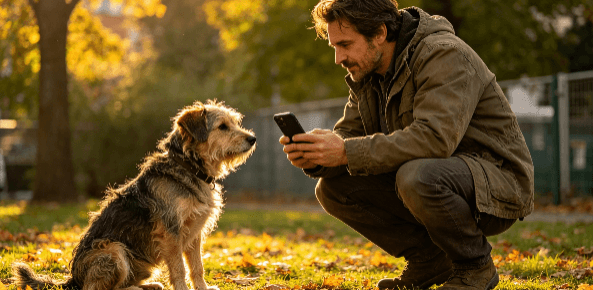
I crouched low. My knees cracked softly. The grass was damp, cold against my shins. I could feel the moisture seeping through my outdoor trousers. I raised my camera. Not to shoot for a magazine. Just to capture. To document.
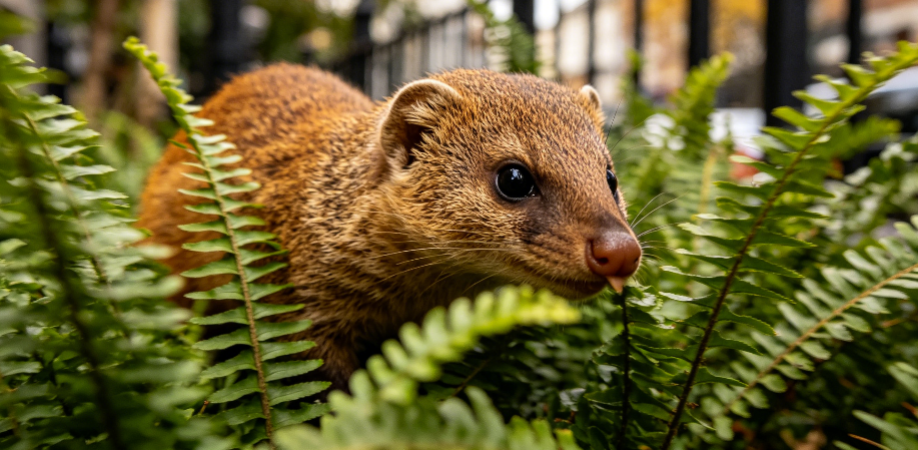
The creature peeked out again. Just for a second. Small ears. Rounded. A snout that twitched. Eyes dark and liquid. It was beautiful. Terrified.
Click.
One frame. Blurry at the edges, but the face... the face was clear enough.
Now, the analysis.
In the deep woods, I'd track prints. Smell the air. Wait hours. Here? Time is a luxury we don't have. The animal is stressed. Exposed. I need answers fast.
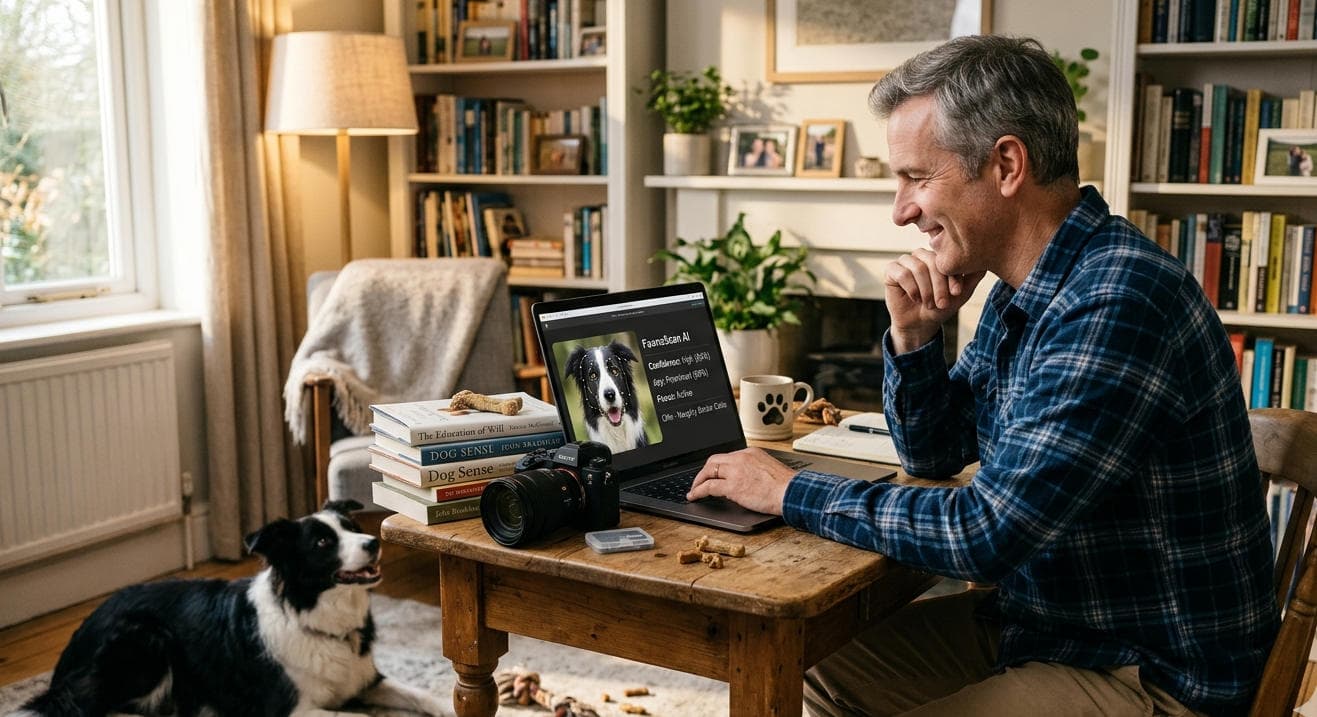
I pulled out my phone. The screen felt cool, smooth against my calloused thumb. Opened FaunaScan.
This tool... it's changed how I interact with the world. Especially here. In these fragmented habitats. FaunaScan's database covers over 500 species, including the elusive, the nocturnal, the ones that hide in plain sight in our cities. It's not just for lions and bears. It's for the small things too.
I uploaded the photo.
The spinning wheel. That moment of suspension.
Analyzing features...Comparing against North Eastern urban fauna database...
Done.
The result popped up. Eastern Cottontail Rabbit (Sylvilagus floridanus) - Juvenile.
Wait. No. The markings were wrong. The ear shape.
I looked closer at the detailed breakdown. Ah. FaunaScan flagged it. High probability match: New England Cottontail (Sylvilagus transitionalis).
Rare.
My breath caught. A genuine jolt of surprise. This isn't your garden variety bunny. This is a species in decline. Habitat loss has pushed them into these tiny, isolated green pockets. They are specialists. Shy. Vulnerable.
The app didn't just give me a name. It poured out data. Conservation Status: Near Threatened in specific regions. Behavior: Crepuscular, prefers dense thickets for cover. Diet: High fiber browse, avoids open lawns.
Reading this, the picture shifted. The fear evaporates. Replaced by a profound sense of responsibility.
If I hadn't known, I might have thought it was just another pest eating the neighbor's petunias. But it's a survivor. A ghost of the wild clinging to the edge of the city.
The distinction matters. It changes everything. Knowing it's a New England Cottontail means understanding it needs dense brush, not manicured lawns. It means telling the neighbors not to clear that thicket. It means coexistence instead of conflict.
FaunaScan bridged that gap. Instantly. From confusion to clarity. From potential harm to informed protection.
I sat there for a long time. Just listening.
The wind picked up, rustling the dry leaves of the oak tree above me. A car horn blared in the distance, jarring and loud. But here, in this small patch of green, life was ticking along. Unseen. Unheralded.
We share this space. We really do. But we've forgotten how to see each other.
I packed up my gear. The camera felt heavy in my bag. The phone warm in my pocket.
I looked back at the ferns. Nothing moved. But I knew it was there. Watching. Waiting.
I walked slowly back toward the houses. Careful not to crush the clover under my boots.
Maybe I'll leave that pile of branches alone. Let it grow wild.
Just in case.
The sun is breaking through the clouds now. A single beam hitting the grass. I reach down to touch a leaf, rough and serrated against my palm.
Wondering if...