Last month, I received a message from a FaunaScan community friend — she’s undergoing chemotherapy, and every afternoon, she sits by the window of her hospital room, watching the bees flying around the potted sunflowers outside. She wrote, "Those little bees never get lost. They fly out to find nectar and come back safely every time. I wish I could be as strong as them." My heart tightened when I read that. I know exactly how she feels — the uncertainty of treatment, the exhaustion of every day, it’s like walking in a fog, not knowing when the light will come. But today, I want to share with her, and with all of you who are struggling, the magic of bees — their "radar navigation" system, the dance that conveys hope, and the strength that comes from being small but unyielding.
I’ve been studying animal behavior for 10 years, and in the past 5 years, I’ve been obsessed with bee behavior — not just because they’re amazing, but because every time I watch them dance in my garden, I feel a sense of peace. I even set up a small beehive in my backyard (don’t worry, I consulted a professional beekeeper first, and Ollie, my border collie, is surprisingly gentle with them — he just lies there and watches, never barks at them). When I was working at the San Diego Zoo Wildlife Alliance, I spent 8 months using slow-motion cameras to record the dance of worker bees, and I finally understood — their dance is not just a random movement, it’s a precise "map", a language that connects the entire colony.
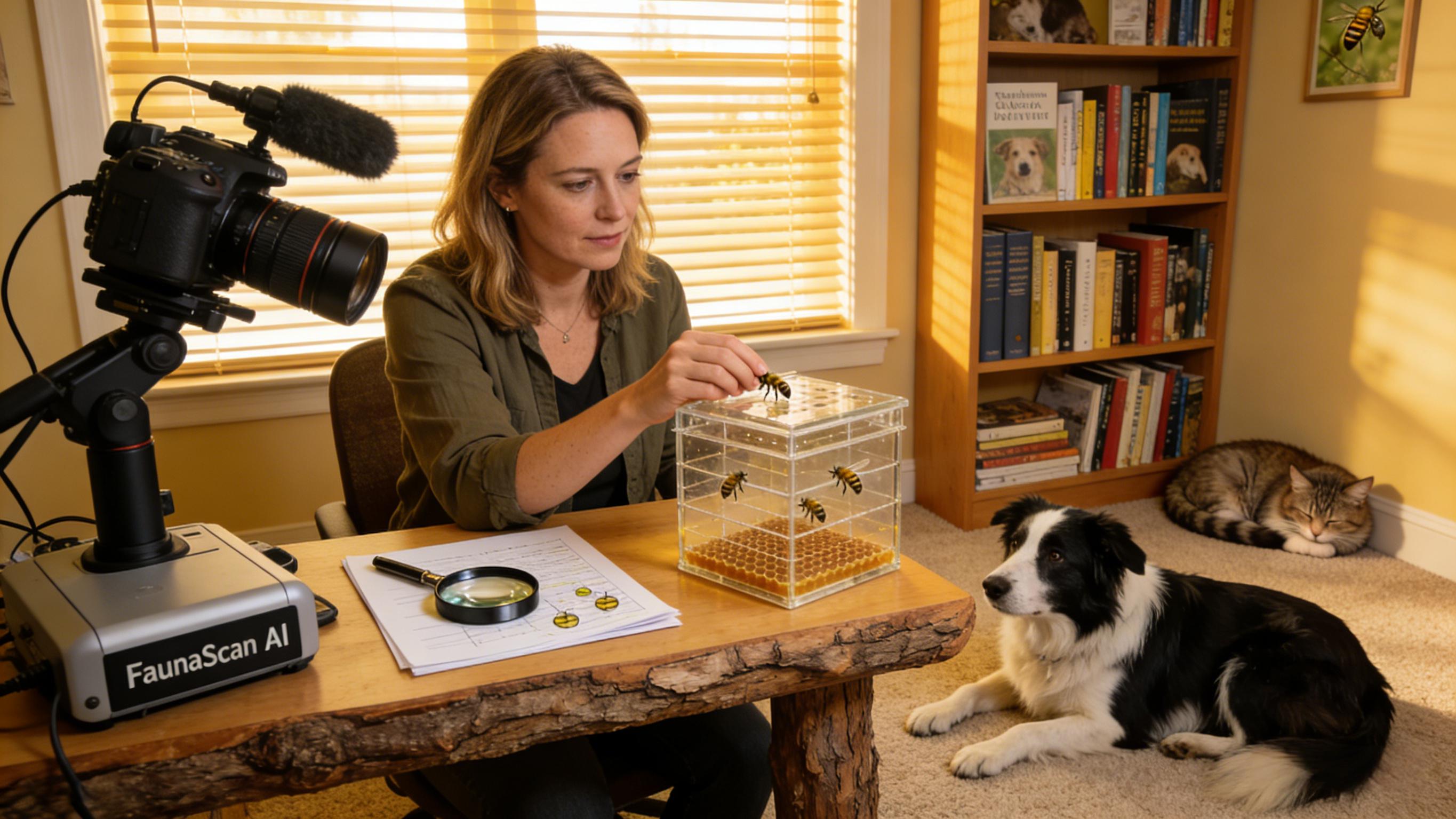
Let me tell you in the most down-to-earth way — bees have their own "GPS", and the core of this GPS is their dance. I remember the first time I saw a worker bee dance after finding a nectar source. It flew back to the hive, and then started spinning in a circle, moving quickly, and changing direction from time to time. I was confused at first, thinking it was just excited. Later, I checked the data and asked my old professor at UC Davis — that’s a round dance, which means the nectar source is very close, within 50 meters of the hive. It’s like the bee is saying, "Guys, there’s sweet nectar nearby! Go find it quickly!"
But when the nectar source is far away, the bee’s dance changes — it becomes a waggle dance, a "figure-eight" dance that’s really interesting. The most amazing part is the straight part of the dance, the waggle run. The angle between this straight line and the vertical direction of the hive is exactly the angle between the nectar source and the sun. For example, if the waggle run is straight up, it means the nectar source is directly towards the sun; if it’s at a 30-degree angle to the left, the nectar source is 30 degrees to the left of the sun. And the longer the waggle run lasts, the farther the nectar source is — every second of waggle run is about 100 meters. Isn’t that incredible? I once spent a whole afternoon tracking a bee that did a 3-second waggle run, and sure enough, 300 meters away, there was a field of clover full of nectar.
Oh, and there’s something I almost forgot to tell you — bees don’t just rely on dance. They also use the sun’s position and polarized light to navigate. Even on cloudy days, when we can’t see the sun, bees can still perceive the polarized light through their compound eyes, like a built-in compass. I once did an experiment: I covered the beehive with a black cloth to block the sun, and the bees still found their way back — that’s the power of their "radar system". It makes me think, if such small creatures can have such precise navigation, how can we give up when we encounter difficulties?
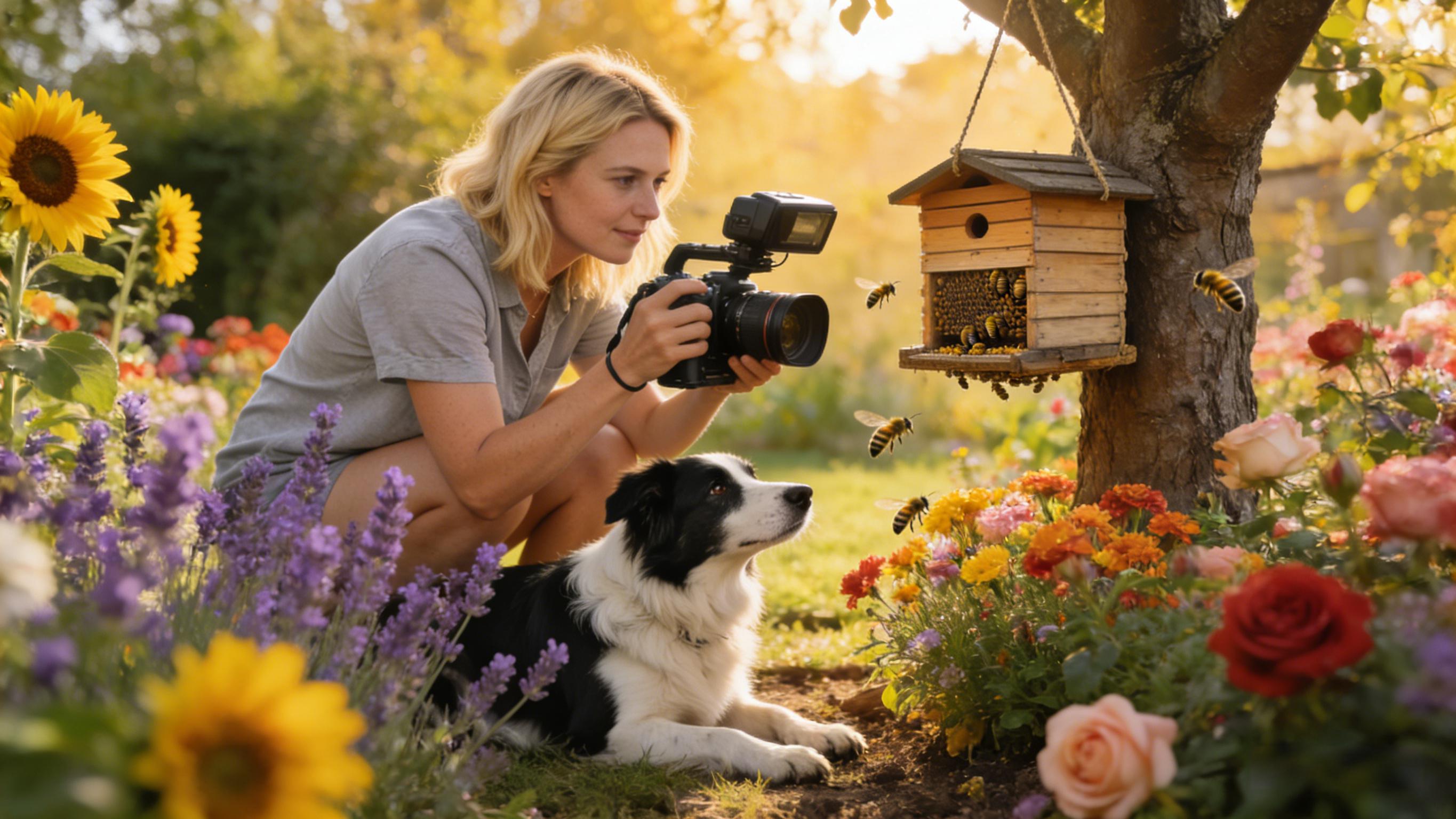
I know, for those of you who are going through cancer treatment, every day is hard. You may feel lost, tired, and even want to give up. But please look at the bees — they are so small, but they never get lost. They fly through wind and rain, find nectar, and return home firmly. Their dance is not just a way to convey information, it’s a symbol of persistence and hope. Just like the worker bee that dances tirelessly to tell its companions the location of nectar, we can also keep moving forward, even if the road is long and difficult.
I once had a patient friend who loved watching bees with me. She said, "Lena, if bees can find their way back every time, then I can also get through this treatment." She was right. We are not alone in this journey, just like bees rely on each other to survive, we have family, friends, and all of us in the FaunaScan community by our side. And the bees, with their little "radar system", are also silently cheering for us.
I often say, "Love them, start with understanding their silence." Bees don’t speak, but their dance tells us the most powerful truth: no matter how small you are, no matter how difficult the road is, as long as you have direction and persistence, you can reach your destination. The "radar system" of bees is not only a miracle of nature, but also a gift to us — a reminder that we are stronger than we think.
By the way, have you ever watched bees dance? Or do you have any little stories about bees that gave you strength? Leave a comment below and let’s chat — I read every comment personally, just like I do every day. Because I know, every word you type is a sign of courage, and that’s the most precious thing. Remember, just like the bees, you will find your own light, and you will get through this difficult time. Even if today is just a little better than yesterday, that’s a victory.