A few days ago, I received a message from a FaunaScan community friend, and I sat in my study by the window, typing back to her with red eyes. She’s been fighting breast cancer for a year, and the long-term treatment has made her physically and mentally exhausted. She said that the only comfort every day is taking her little corgi Lucky for a walk after dinner, but recently she’s been feeling more and more frustrated — Lucky always stops to sniff everywhere on the road, sniffing the grass, the tree trunks, even the footprints left by other dogs. She is often in a hurry, urging Lucky to "walk faster, walk faster", and even tugs at the traction rope impatiently. Later, Lucky became more and more listless, even refused to go out for walks, and even began to destroy things at home. She was so anxious that she cried: "I obviously want to take good care of it, why did it become like this?" Her words hit my heart directly. I’ve been studying animal behavior for 10 years, and I’ve raised dogs for 20 years. I know too well this kind of powerlessness — when you’re struggling with your own pain, you accidentally ignore the little needs of your beloved pet. Today, I want to talk to you about this thing that is often ignored by us — the importance of smell to a dog’s brain development and mental health, and why we should never interrupt a dog’s sniffing when walking. I hope that when you are tired from treatment, you can also gain a little comfort and strength in the interaction with your dog, and understand that taking care of it is also a kind of mutual healing.
I live in a suburban house surrounded by mountains and rivers. There is a small garden specially designed for Ollie and Grace in the yard — I planted some dog-friendly plants, put some sniffing toys, and even made a "sniffing trail" with some dried meat. Every morning, I will take Ollie for a walk in the woods near the community. Unlike many pet owners, I never urge it to walk faster. I just follow it slowly, watching it lower its head, nose close to the ground, sniffing carefully, and its tail swings gently from time to time. Oh, and I always carry a small bag of dried chicken breast in my pocket — that’s my little habit. When Ollie sniffs a particularly interesting smell and looks up at me, I will reward it with a small piece of dried meat.
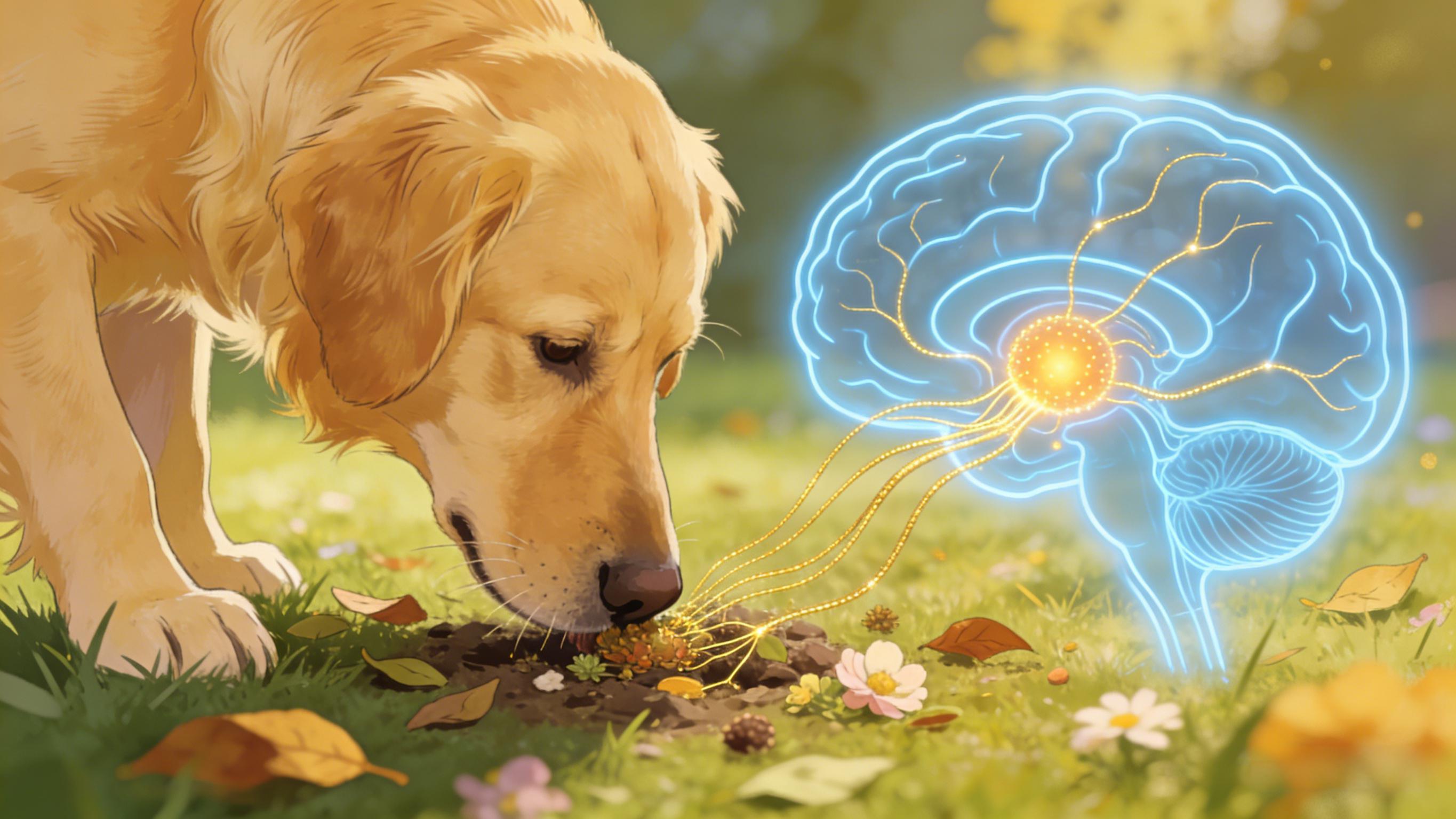
Let me tell you, smell is not just a "tool" for dogs to distinguish odors — it is the key to their brain development and mental health, just like how we need to read and think to keep our brains active. When a dog sniffs, its entire brain will be fully activated. The olfactory area of a dog’s brain accounts for nearly 30% of the total brain volume, which is more than 40 times that of humans! You know, when Ollie was a puppy, I specially designed a lot of sniffing games for it — hiding dried meat in the grass, letting it find it by sniffing. At first, it was clumsy, and it took a long time to find it every time. But after a month, I found that it became smarter — it could remember the location of the dried meat, and even predict where I would hide it next. Later, when I checked the relevant research data, I realized that frequent sniffing can promote the development of brain neurons in dogs, enhance their memory and cognitive ability. For puppies in the critical period of brain development, sufficient sniffing experience is like "brain tonic", which can help them establish a more complete cognitive system and lay a solid foundation for their future adaptation to the environment.
Oh, and there’s another point I must tell you — sniffing is the best way for dogs to relieve anxiety and release pressure. I once received a consultation from a cancer patient. Her golden retriever had severe separation anxiety. Every time she went to the hospital for treatment, the golden retriever would destroy the furniture at home, bark loudly, and even hurt itself. I told her to take the golden retriever for a walk every day, and never urge it to walk faster, let it sniff freely. She did as I said. After a month, she sent me a photo — the golden retriever was lying quietly at her feet, and she was gently stroking its head. She said: "Every time I watch it sniff freely on the road, I feel that it has become calmer, and I also feel more at ease. Those troubles and pains seem to be alleviated a lot." That’s the magic of sniffing for dogs — it can let them feel the world, gain a sense of security, and thus calm their anxious emotions. Just like us, when we are anxious and confused, doing something we like can make us calm down. Sniffing is the "comfort way" unique to dogs.
I know, many of you may be in a hurry when taking your dog for a walk — you have to go back to take medicine, rest, or deal with other things. But I really want to tell you: don’t be in a hurry, give your dog a little more time to sniff. Every time it stops to sniff a tree trunk, it may be reading the "message" left by other dogs; every time it sniffs the grass, it may be feeling the changes of the season. These seemingly trivial behaviors are the way dogs perceive the world and maintain their mental health. Once, I was in a hurry to go back to finish the observation report, so I urged Ollie to walk faster, and even pulled the traction rope hard. As a result, Ollie became very irritable, barking loudly, and even refused to move forward. I felt very guilty at that time. Later, I squatted down, stroked its head, and said softly: "I’m sorry, Ollie, take your time." Then I followed it slowly, watching it sniff freely. At that moment, I found that it became calm again, and its tail swung gently again.
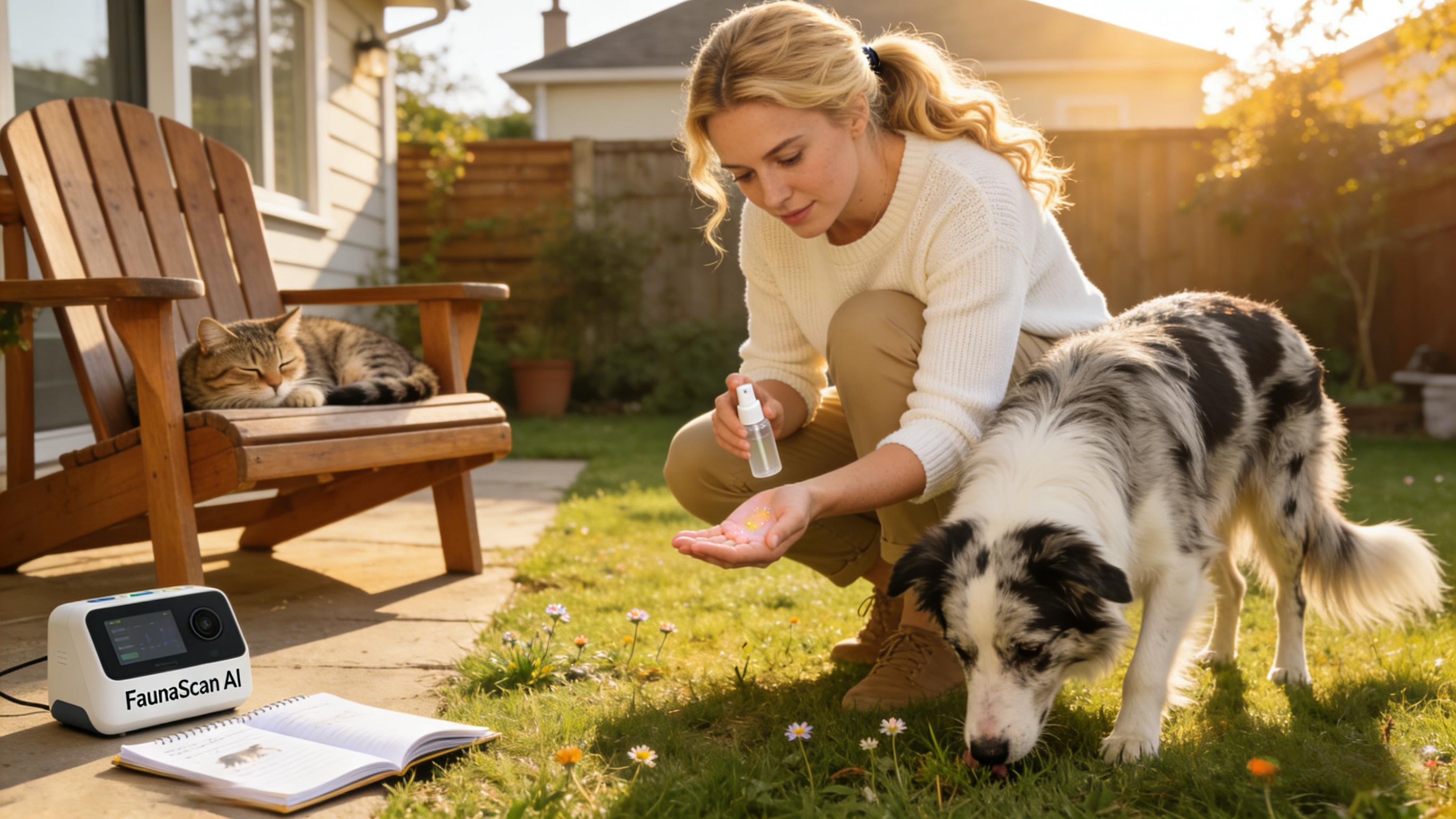
For you who are fighting cancer, taking care of a dog may be a little hard sometimes. You may be too tired to walk, or you may be in a bad mood and don’t have the energy to accompany it. But I hope you can know that taking your dog for a walk and watching it sniff freely is not only taking care of it, but also healing yourself. When you see it focusing on sniffing, when you feel its warm body beside you, when you hear it wag its tail happily, you will find that those pains and helplessness seem to be diluted a little. The interaction with dogs is a two-way healing — you give them care and company, and they give you warmth and strength.
I once had a patient friend who was so depressed after chemotherapy that she even had the idea of giving up. She has a little teddy, and she said that the only thing she can persist in every day is taking the teddy for a walk. At first, she always urged the teddy to walk faster, but later she saw my article and tried to let it sniff freely. She told me: "Every time I watch it sniff everywhere, I will squat down and wait for it. Unconsciously, I will forget the pain for a while. It’s like we are exploring the world together, and I feel that I am not alone anymore." That’s the power of small interactions — they may seem trivial, but they can bring us endless courage and hope.
I often say, "Love them, start with understanding their silence." Dogs can’t speak, but their every sniff, every wag of the tail, is telling us their needs. Sniffing is not a "waste of time" for them, but a necessary way to maintain physical and mental health. Just like you, who are fighting cancer, every small persistence, every small progress, is a kind of victory. Don’t be too harsh on yourself, and don’t be too hasty with your dog.
By the way, do you have the habit of urging your dog to walk faster when taking a walk? Have you ever noticed the change of your dog when you let it sniff freely? Leave a comment below and let’s chat — I read every comment personally, just like I do every day. Because I know, every word you type is not only a share, but also a kind of courage. Remember, you are not alone in this journey. You have your family, your friends, and your beloved dog. Even if today is just a little better than yesterday, that’s enough. And your dog, with its sensitive nose, is also accompanying you, sniffing the beauty of life together, and cheering for you silently.