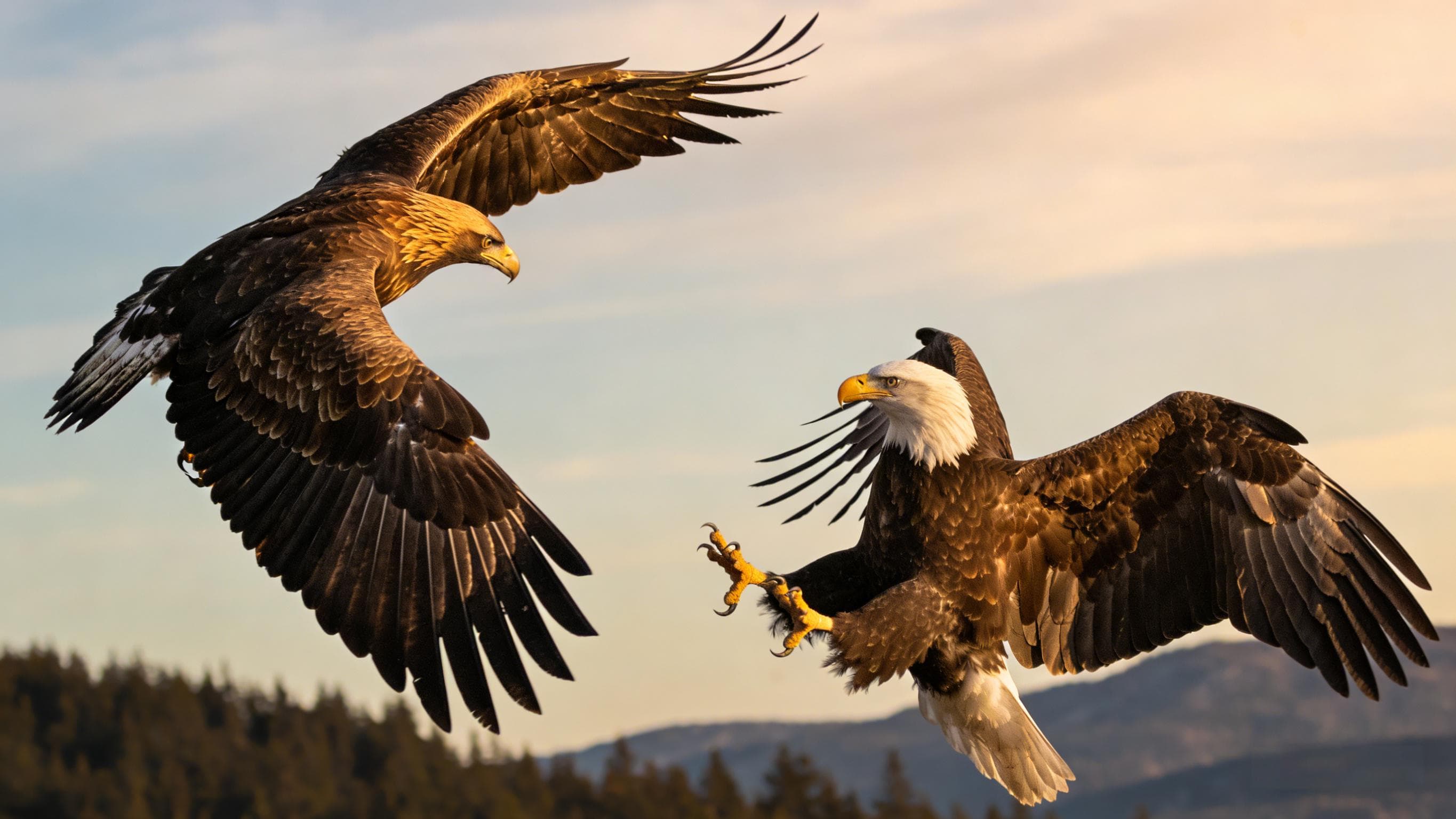
Four years ago, I was hiking through the rainforest in Costa Rica—sunlight filtering through the canopy, my boots squeaking on the damp moss, my old border collie Ollie trotting ahead with his nose to the ground—when I stopped to catch my breath and noticed it. Or rather, at first, I didn't notice it at all. It was an inchworm, perfectly disguised as a piece of bark. Its brownish, rough-textured body blended so seamlessly with the tree trunk that I nearly reached out to touch it—only then did it give a gentle wiggle. In that moment, I forgot the sweat trickling down my neck, forgot the mosquitoes buzzing in my ears, forgot even Ollie's soft whine urging me to keep moving. I just stood there, staring in wonder at such a small, fragile creature, capable of fooling everything around it. As I watched, I thought of Clara—a cancer patient I'd been supporting at the time. Days earlier, she'd told me, "Sometimes I feel like I'm slowly disappearing, like no one can see how hard I'm trying." That day, I suddenly understood: these insects aren't hiding. They're surviving. They're persevering, even when the odds are stacked against them. Just like her. Just like all of you who are going through your own struggles.
I'm Isabella Cole, PhD in Animal Behavior from UC Davis, a certified professional pet behavior consultant, and your lead mentor at the FaunaScan community. For twenty years, I've cared for all kinds of pets—timid stray cats, energetic puppies, and even a grumpy old rooster who refused to eat anything but sunflower seeds. But for the past decade, my heart has belonged to the small, unsung heroes of the insect world. I've spent countless hours kneeling in fields and rainforests, squinting through magnifying lenses, watching these little creatures deceive predators, search for food, and simply… keep going. Today, I'm not here to lecture you with complex scientific terms—no talks about "adaptive mimicry" or "evolutionary selection." I'm here to share their stories—the messy, beautiful, deeply human moments that make them so much more than just "bugs." I'm here to tell you that strength isn't about being big or loud. It's about being clever, being patient, and never giving up—even when you feel insignificant. That's what these insects have taught me, and that's what I want to pass on to you.
Let's start with the dead leaf butterfly—my favorite little master of disguise. I first encountered one years ago in a botanical garden in Brazil. I had gone there to study pollinator behavior, but I found myself drawn to a pile of fallen leaves beside a bench. I knelt down to move the leaves aside, and that's when one of the "leaves" moved. I gasped—really, it startled me. It was a dead leaf butterfly, its wings folded tightly together, its yellowish-brown patterns perfectly matching the fallen leaves around it. I had walked past it three times without noticing. Its wings even had tiny brown spots that looked like signs of decay, and the edges were subtly "tattered," just like a real dead leaf. I sat there for twenty minutes watching it, and not a single bird gave it so much as a glance. But here's what you won't find in textbooks: I once watched a young dead leaf butterfly make a mistake. It landed on a green leaf instead of a brown one—a classic rookie error—and a sparrow spotted it immediately. Did it panic? No. It stayed perfectly still, wings pressed flat, and slowly inched its way to a nearby pile of dead leaves. By the time the sparrow flew over, it was gone—hidden, safe, ready to try again. That's the dead leaf butterfly's superpower: not perfection, but adaptation.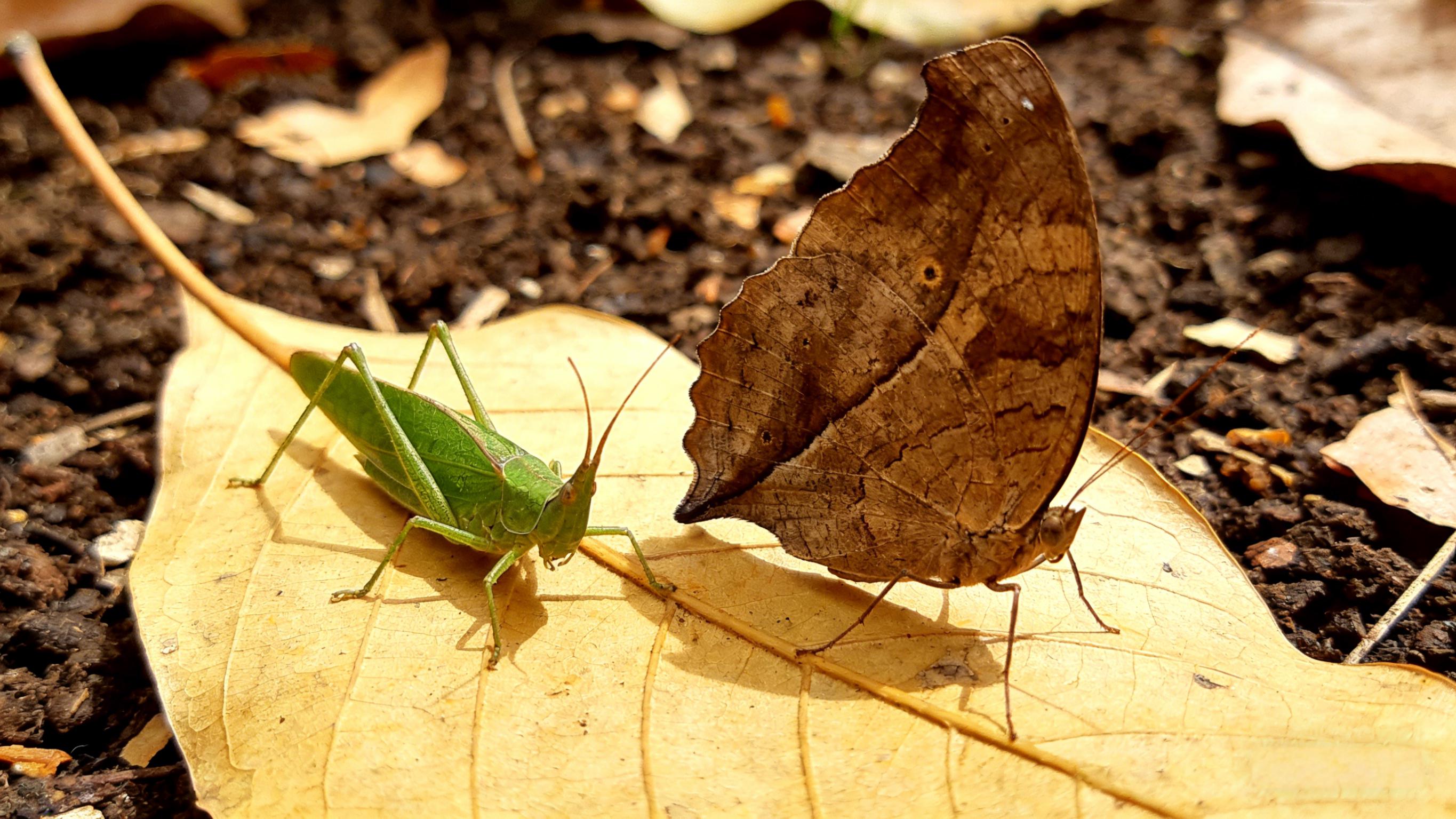
Now, let's talk about stick insects—oh, these are the ultimate champions of hide-and-seek. I once spent three hours searching for one in the Costa Rican rainforest, and I only found it because Ollie accidentally brushed against the branch it was clinging to. It was slender, brown, and shaped exactly like the small branch it held—even its legs resembled tiny offshoots. I watched it for a while, and do you know what it did? It began to sway. Back and forth, just like a twig swaying in the wind. It was as if it were playing a game: "Can you find me?" I've seen green ones, brown ones, even striped ones—all matching the colors of the plants they live on. But here's a little secret: they aren't born masters of disguise. Young stick insects often make mistakes at first—like a green one perched on a brown branch—and they get eaten. But those that survive? They learn. They adapt. Little by little, they figure out how to blend in. That's the stick insect's defining trait—they're not the strongest, not the fastest, but they're clever. And even when they fail, they keep trying.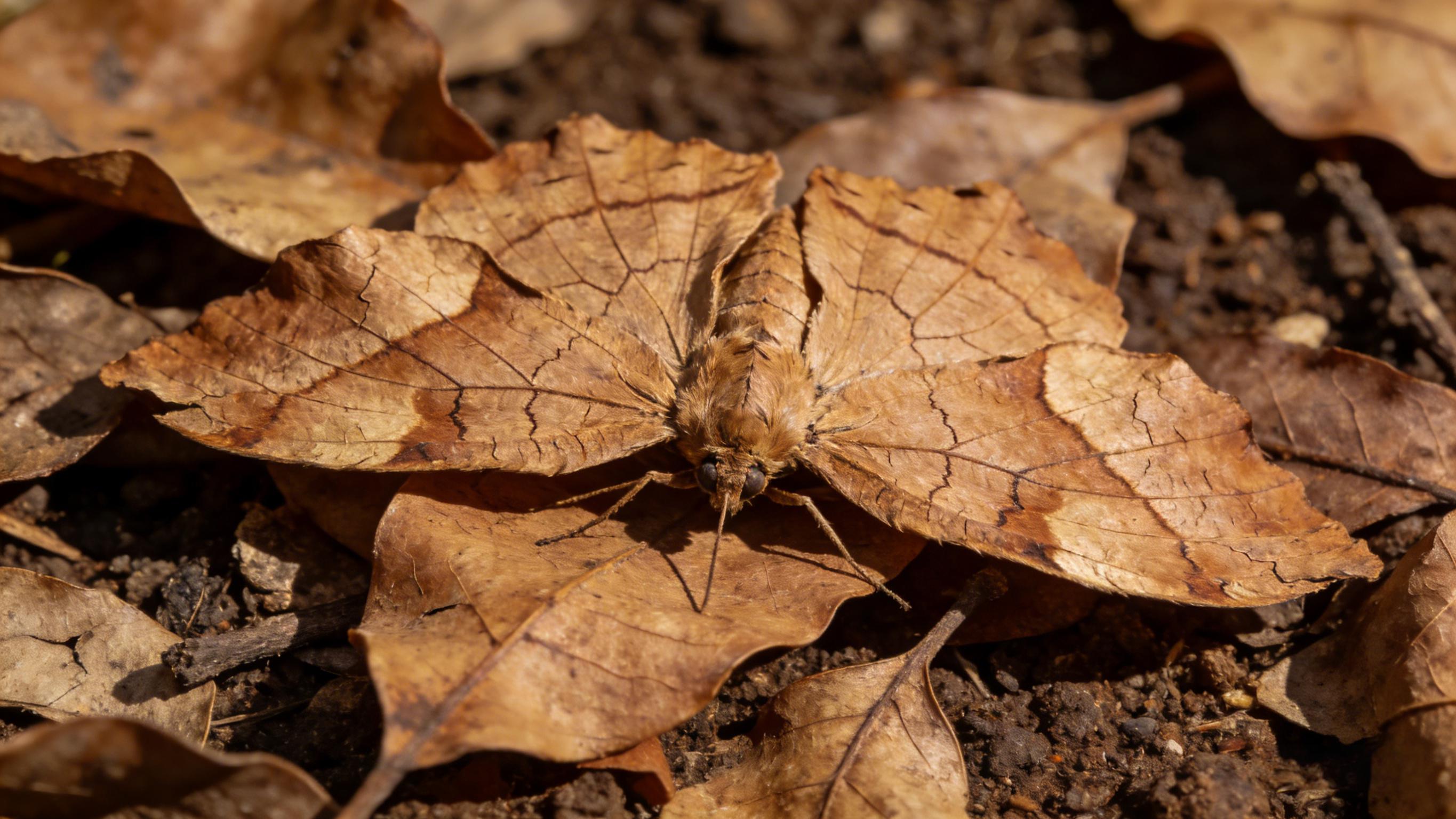
But dead leaf butterflies and stick insects aren't the only stars. Of course not—there are so many more. Take leaf insects, for example. Their bodies are flat and vibrant green, with veins that look exactly like those on real leaves, complete with tiny spots that resemble bite marks. I once placed a leaf insect on a leaf in the lab, and my intern spent 45 minutes looking for it—she kept asking me where it was, and I just pointed at the leaf and said, "Right there!" Then there's the stone beetle, which looks exactly like a small, rough pebble—brown, pitted, with textures that match perfectly. I've stepped on them countless times, only realizing later that I nearly crushed a tiny life. And the bark spider, whose gray-brown, rough-surfaced body blends seamlessly with tree bark. I once found one on an oak tree in my backyard and watched it for ten minutes before I saw it move. These little creatures aren't hiding—they've mastered the art of survival.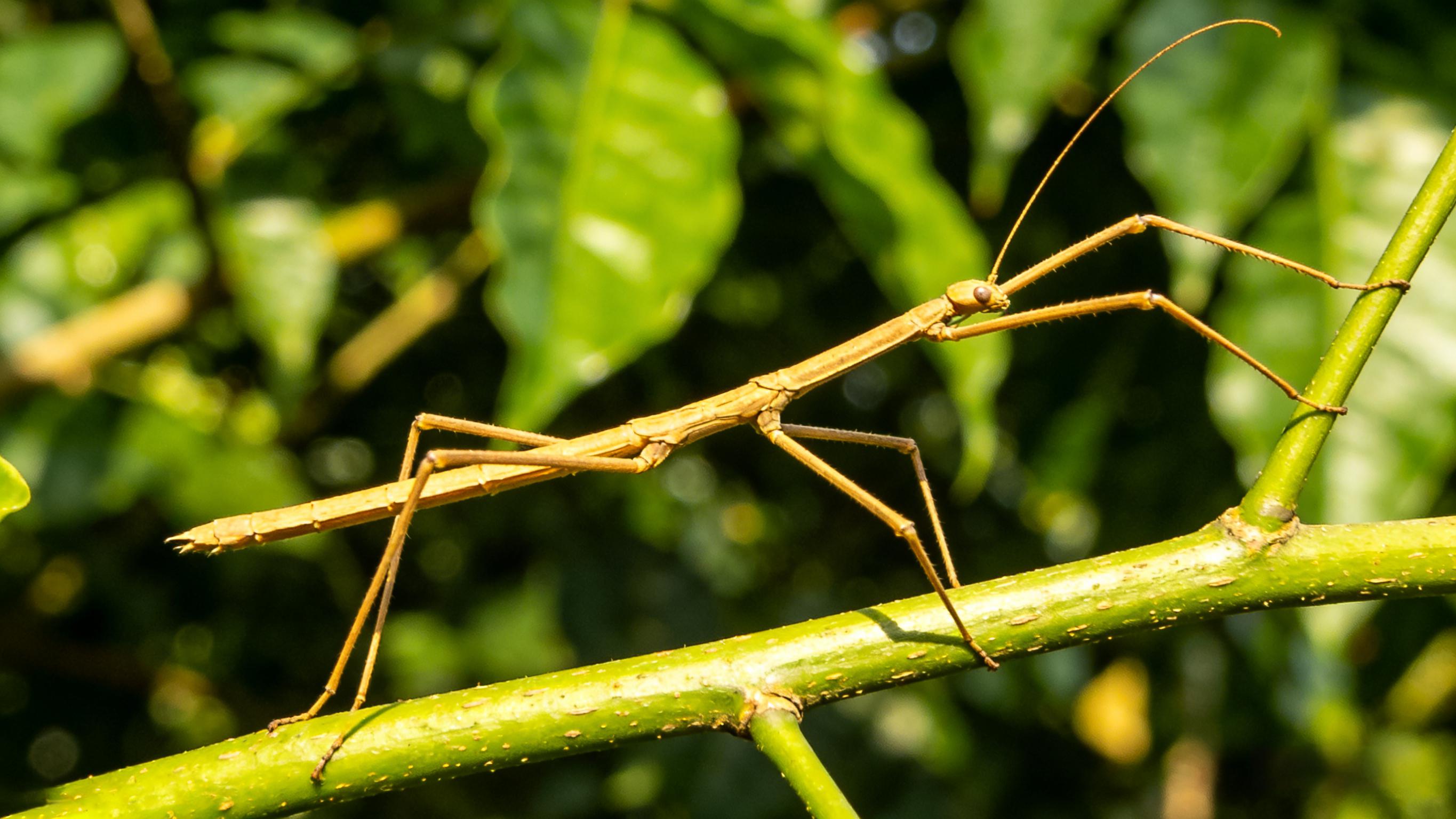
I know what some of you are thinking: "Isabella, these are just insects. What does this have to do with me?" Let me tell you about Clara. After I told her the story of the dead leaf butterfly, she started keeping a journal. Every day, she would write down one "small victory"—the tiniest things, like getting out of bed, eating a few bites of food, or even just opening the window to look at the trees. She would say, "If that tiny dead leaf butterfly can hide and survive, then I can keep going too." She didn't beat cancer overnight. It was a slow, grueling process. There were days she couldn't get out of bed, days she cried, days she wanted to give up. But every day, she'd look at her journal and find a little more strength. That's the power of these small creatures. They don't know they're inspiring you—they're just doing what they do: surviving. But in that survival, in that persistence, they offer us hope.
And to my fellow insect seekers and students—you know who you are—this piece is for you too. I know we all love searching for these little masters of disguise, marveling at how they blend into their surroundings, feeling that rush of excitement when we finally spot them. But here's what I want to say: finding them isn't the most important thing. It's seeing them—truly seeing them. Seeing how they adapt, how they persist, how they refuse to be overlooked. They remind us that even the smallest life has its own meaning, its own strength, its own value.
I still return to that rainforest in Costa Rica from time to time, with Ollie by my side (he's older now and needs more rest, but he still gets excited when he catches the scent of insects). Every time I find a camouflaged insect—whether it's a dead leaf butterfly, a stick insect, or a tiny stone beetle—I think of Clara. I think of all of you. And I remember my own mantra: "Even if today it only looks at you for a moment longer without hiding, that's a victory." You don't have to become strong all at once. You don't have to force yourself to be okay right away. Every small step, every time you get back up, every time you keep going—that is a victory. Just like those insects.
So, the next time you feel exhausted, when the fight feels too hard, when you feel like you're slowly disappearing—look down. Look at the ground, at the leaves, at the branches. Maybe there, hidden in plain sight, is a tiny insect—a master of disguise—persisting and surviving, just like you. Watch it. Learn from it. And remember: you are not alone. You are strong. You are resilient. Like the dead leaf butterfly, the stick insect, and all the other little masters of disguise—you too are a survivor. Be kind to yourself, be gentle with yourself, and keep going. One day at a time. One small victory at a time. As I always say: love it, starting from understanding its silence. (Even the smallest insect has its own silent moments of strength.)