Two months ago, I stuffed my waterproof camera, a pack of energy bars, and a worn-out notebook (the one I’ve used to record pet behavior for 15 years) into my backpack, and boarded a small propeller plane heading to the Masai Mara. I’d been dreaming of this trip since I was a grad student at UC Davis—back then, my advisor showed us a video of wildebeest crossing the Mara River, and I cried. Not because it was sad, but because of the raw, unapologetic courage of those animals. As someone who’s spent 20 years caring for skittish rescue cats, hyperactive puppies, and even a parrot with separation anxiety (shoutout to Polly, who still screams when I leave the house), I knew this trip would hit different. It wasn’t just about watching a natural wonder—it was about connecting with something bigger, something that would help me understand the pets I love even more. And let me tell you, the Masai Mara didn’t just meet my expectations. It wrapped around my heart and refused to let go.
I’m Isabella Wright—a PhD in Animal Behavior, a CDBC, and your go-to mentor here at FaunaScan. For two decades, I’ve sat with pet owners who’ve cried because their dog chewed through their favorite sweater, who’ve felt guilty because their cat hides from them, who’ve almost given up on a pet with extreme anxiety. I get it. I really do. I’ve been there too—remember when my border collie Ollie (you all know him, the one who steals my socks and hides them under the couch) had a panic attack during a thunderstorm? I sat on the floor with him for three hours, holding his paw, whispering to him, and I swear, I felt just as scared as he did. That’s the thing about loving animals—whether they’re wild wildebeest on the savanna or a sock-stealing collie on your couch—your heart becomes theirs. And that’s why the Masai Mara hit me so hard. Those wildebeest? They’re not just “wild animals.” They’re mothers protecting their babies, friends standing up for each other, survivors pushing through even when everything feels impossible. Sound familiar? It should—because that’s exactly what we do as pet owners.
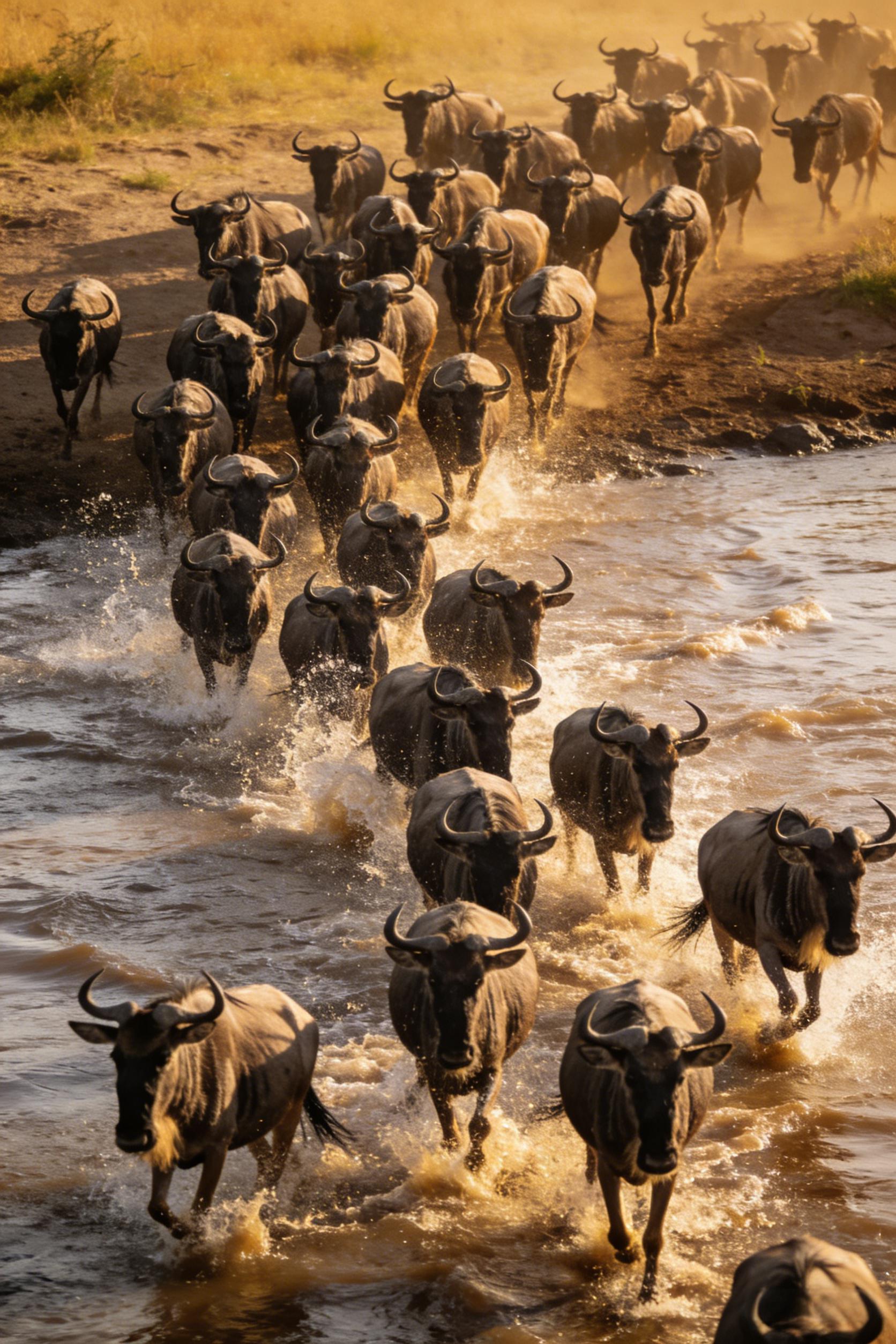
Let me take you back to that morning—the one that changed everything. I was camped near the Mara River, sipping terrible instant coffee (don’t judge, it’s all they had), when I heard it. A low, rumbling sound, like distant thunder. I grabbed my camera and ran to the riverbank, and my breath caught in my throat. There they were—hundreds of thousands of wildebeest, stretching as far as the eye could see, their coats a mix of brown and black, their horns glinting in the golden sunrise. They were gathered at the river’s edge, snorting, pacing, like they knew what was coming. I sat down in the tall grass (always stay low, never make sudden movements—wild animals, just like skittish pets, need space) and watched. For 45 minutes, nothing happened. Then, out of nowhere, a large male wildebeest stepped forward, lowered his head, and stepped into the river. The water came up to his chest, and he hesitated for a second—just a second—before pushing forward. And then, like a dam breaking, the entire herd followed.
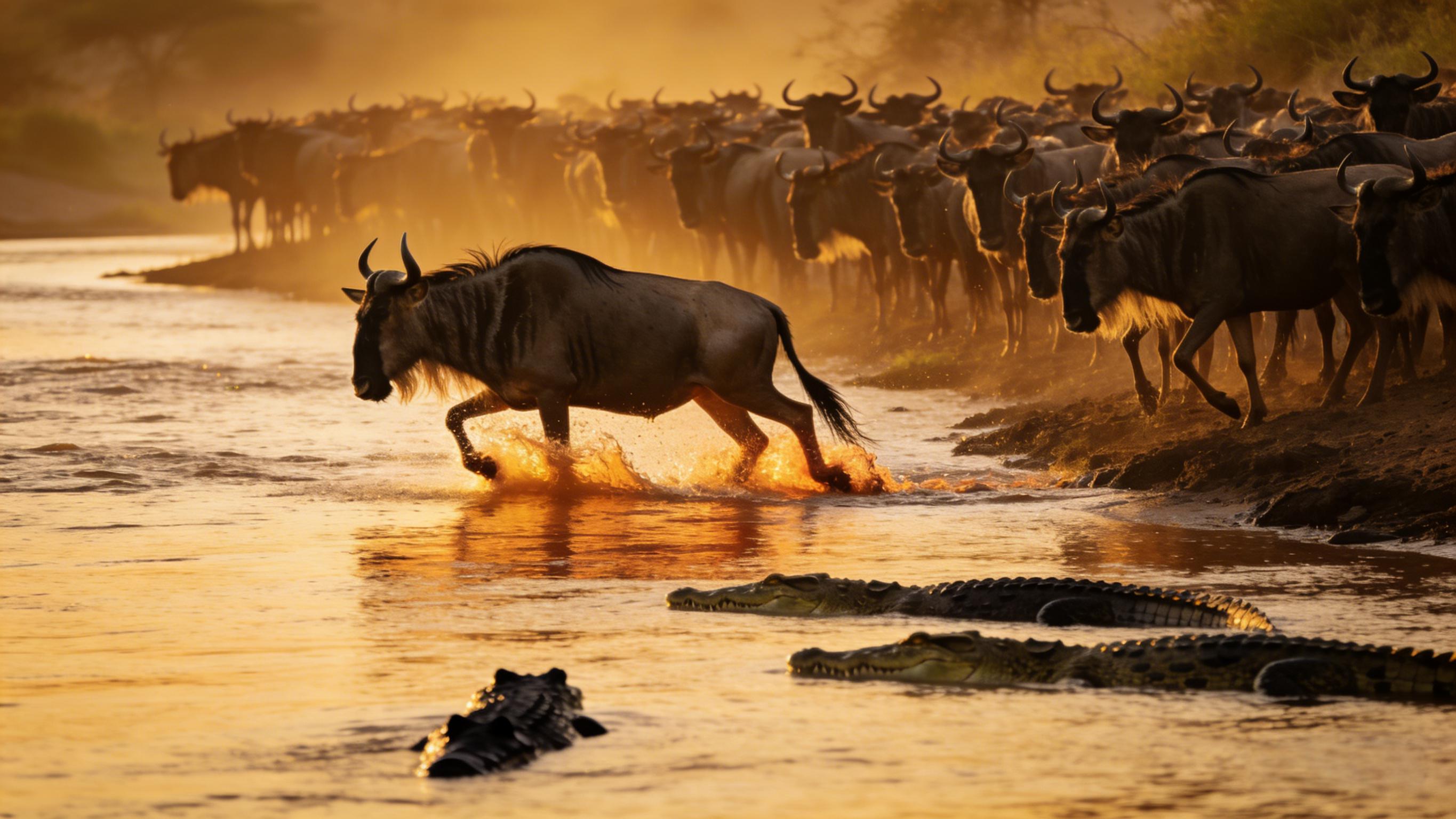
It was chaos, but it was beautiful. The water churned, the wildebeest’s hooves thundered, and their calls echoed across the river. And then—there it was. A crocodile lunged, grabbing a young calf by the leg. The calf’s mother went crazy—she turned around, swam back, and rammed the crocodile with her horns, over and over, until it let go. I held my breath, my hands shaking as I took photos. The calf was hurt, limping, but its mother stayed right beside it, nuzzling it, guiding it forward. I thought of Ollie, back home, and how he clings to me when he’s scared. How he looks at me like I’m his whole world. That mother wildebeest? She was doing the same thing I do every time Ollie has a panic attack—she was being his safe place. You know what’s funny? We talk about “training” our pets, about “fixing” their behaviors, but the real work is just being there. Being their safe place. That’s what that mother wildebeest taught me. It’s not about being perfect. It’s about showing up, even when it’s scary.
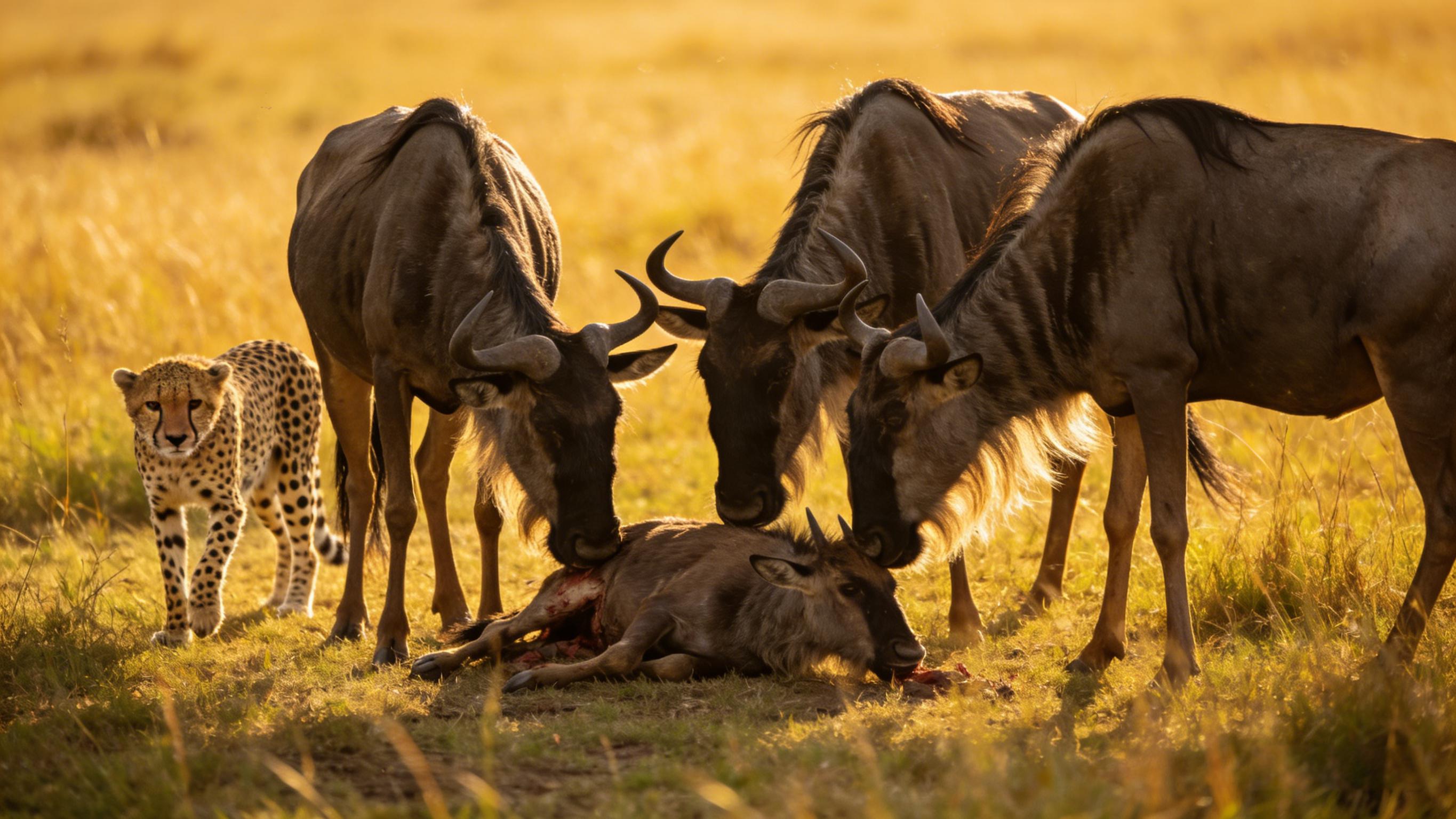
The migration isn’t just about crossing rivers, though. It’s about the little moments—the way the calves stumble to keep up, their legs wobbly, and the adults slow down to let them catch up. The way a group of wildebeest will circle around a sick or injured member, keeping predators away. I saw a young wildebeest get separated from the herd, chased by a cheetah, and just when I thought it was over, three adult wildebeest turned back, kicked the cheetah away, and guided the young one back to safety. It was like watching a group of friends come to the rescue—and it made me think of my FaunaScan community. You all do the same thing, right? When a fellow pet owner is struggling, you jump in, offer advice, share your own stories. That’s the group spirit of the wildebeest, and it’s the spirit of our community.
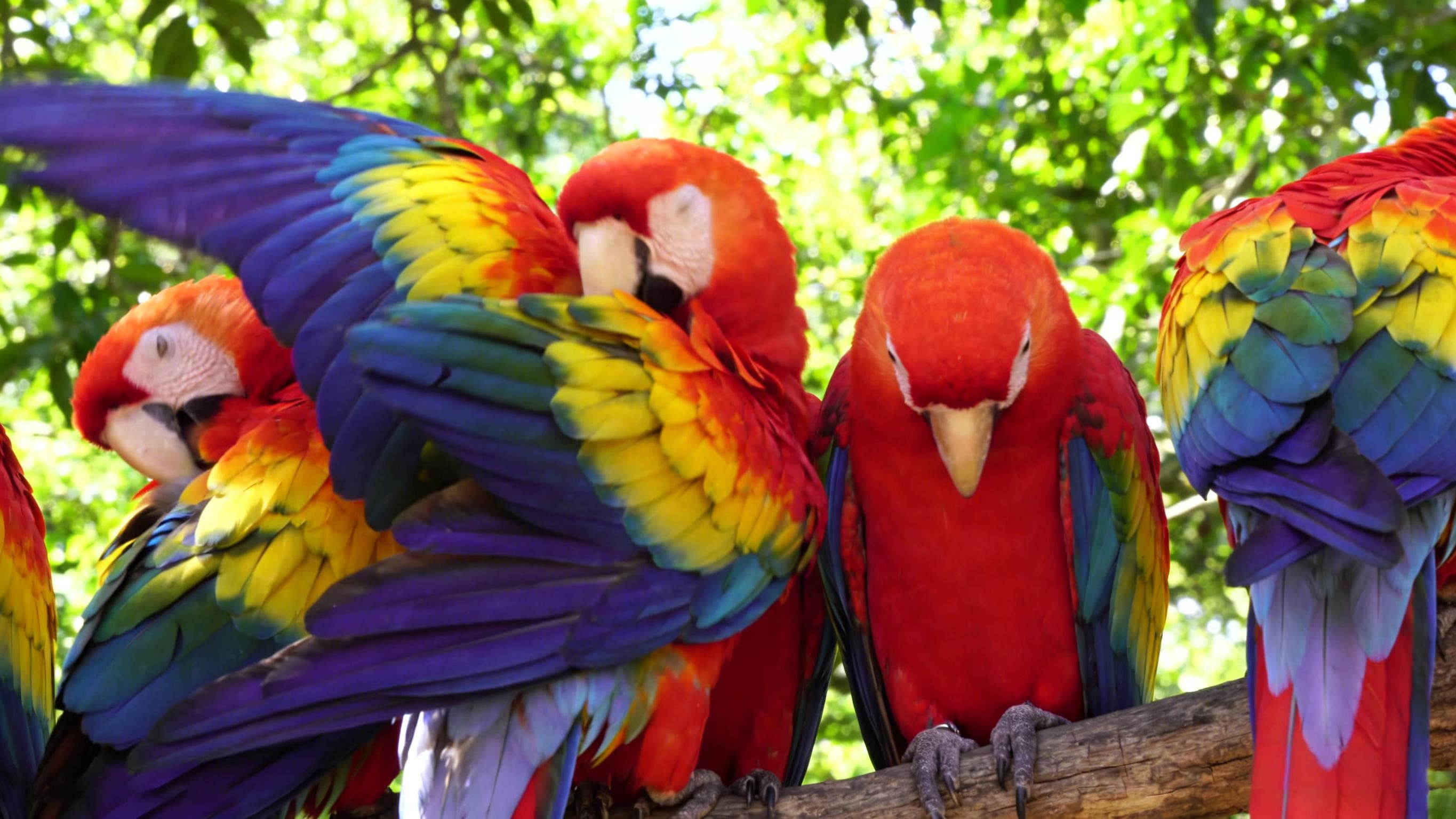
One night, I sat by the campfire, going through my photos, and I thought of Polly, my parrot. She came to me three years ago, rescued from a home where she was kept in a tiny cage, never allowed to fly. She was terrified of everything—hands, loud noises, even sunlight. It took me 10 months before she would let me pet her, 12 months before she would fly to my shoulder. But every small step—every time she didn’t bite me, every time she chirped when I walked in the room—was a victory. “Even if it just looks at you and doesn’t run away today, it’s a victory,” I’d say to myself, over and over. And that’s what I saw in the wildebeest. Every step they took, every river they crossed, every calf that made it to the other side—those were all victories. Just like our pets’ small steps. Maybe your dog finally stopped chewing your shoes. Maybe your cat finally let you pick them up. Those are victories, too. Don’t let anyone tell you otherwise.
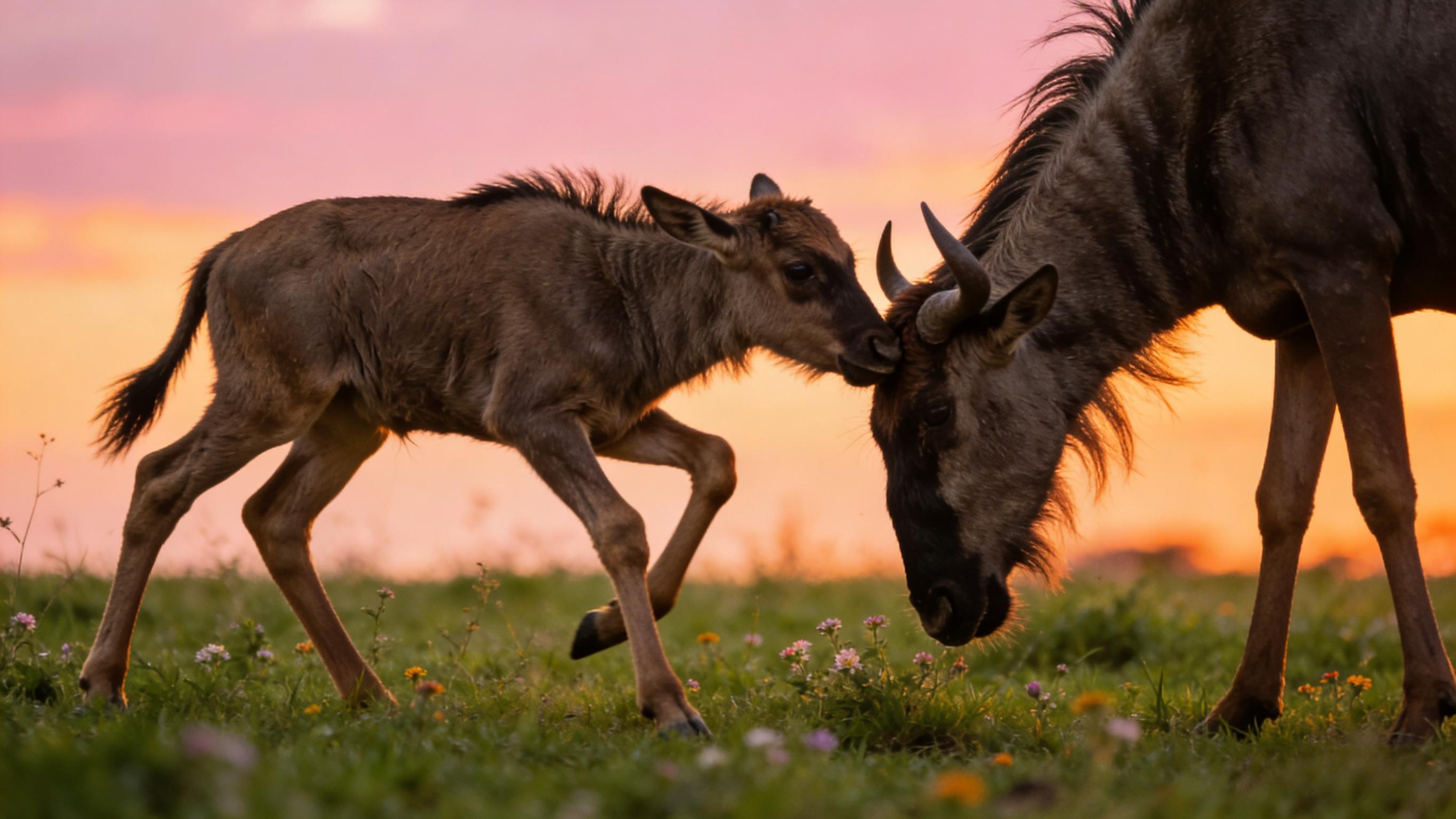
On my last day in the Masai Mara, I watched a newborn calf take its first steps. It stumbled, fell, got back up, and stumbled again. Its mother stood beside it, licking its head, as if saying, “You’ve got this.” The herd waited, not rushing, not pushing—just letting the little one find its way. I cried. Not because it was sad, but because it was perfect. That’s the magic of the migration, and that’s the magic of being a pet owner. We don’t rush our pets. We don’t push them beyond their limits. We wait, we support, we celebrate every small win.
I know what you’re thinking—“Isabella, these are wild animals. How does this help me with my pet?” Let me tell you a story. A few weeks ago, a FaunaScan member reached out to me, desperate. Her cat, Mila, had been rescued from an abusive home and was too scared to leave the closet. She’d tried everything—treats, toys, even pheromone sprays—and she was ready to give up. I told her about the wildebeest calf, the one that stumbled but kept trying. I told her about the mother wildebeest, who waited patiently, never giving up. I said, “Mila isn’t being ‘difficult.’ She’s just scared. And that’s okay. Every time she comes out of the closet for even a second, that’s a victory.” She took my advice, stopped pushing Mila, and started sitting by the closet, reading to her, talking to her softly. A month later, she sent me a photo: Mila was lying on her lap, purring. She wrote, “It was a small step, but it was ours.” That’s what the Masai Mara taught me. It’s not about grand gestures. It’s about showing up, being patient, and celebrating the small things. That’s what our pets need. That’s what we need.
When I got back home, Ollie greeted me at the door, as usual, with a sock in his mouth. Polly chirped from her cage, flying to my shoulder. And as I held them, I thought of the wildebeest, still migrating, still pushing forward, still supporting each other. We’re not so different, really. We’re all just trying to survive, to love, to protect the ones we care about. The wildebeest taught me that courage isn’t the absence of fear—it’s moving forward, even when you’re scared. They taught me that patience isn’t weakness—it’s strength. And they taught me that love, whether it’s a mother wildebeest protecting her calf or a pet owner sitting with their scared cat, is the most powerful force in the world.
So the next time you’re feeling frustrated with your pet—when they’re acting out, when they’re scared, when they’re not “progressing” as fast as you want—remember the Masai Mara. Remember the wildebeest, crossing the river even when they’re terrified. Remember the mother, standing by her calf, no matter what. Remember that every small step is a victory. And most of all, remember this: love it, starting with understanding its silence. Whether it’s a wildebeest on the savanna or a sock-stealing collie on your couch, they’re trying their best. And so are you. That’s more than enough.