Last month, I got a message from a FaunaScan community follower, a girl named Mia who’s been raising a golden retriever for 3 years. She’s been wanting to go to the Amazon rainforest for birdwatching for a long time, but she’s been hesitant because she’s worried about leaving her dog alone. She said: "I know how important birdwatching is to me, but I also can’t bear to let Lucky stay at home alone. Every time I see photos of colorful birds in the Amazon, I feel like my heart is being pulled." Her words made me think of the time I went to the Amazon rainforest for field research 5 years ago. At that time, I was also worried about Ollie and Grace, but later I found that the connection between nature and pets is closer than we think. Today, I want to share with you the 5 most stunning "color bombs" in the Amazon rainforest, and tell you how to enjoy this birdwatching journey while taking care of your pets. I hope it can give you some comfort and courage.
I went to the Amazon rainforest with a team of researchers in May 2021. The rainforest at that time was just after the rainy season, and the air was filled with the fresh smell of water and plants. We took a small boat along the Amazon River, and as soon as we entered the core area of the rainforest, we saw the first "color bomb" — the Scarlet Macaw. A group of 6 Scarlet Macaws were flying on the upper canopy, their bright red, blue and yellow feathers shining in the sun, like a rainbow falling into the forest. I was so excited that I almost dropped my camera. Ollie, who was with me at that time (I took him with me because I was worried about him being lonely), was lying on the bow of the boat, staring at the Scarlet Macaw with wide eyes, and let out a low whine — it was like he was amazed by the beauty of nature.
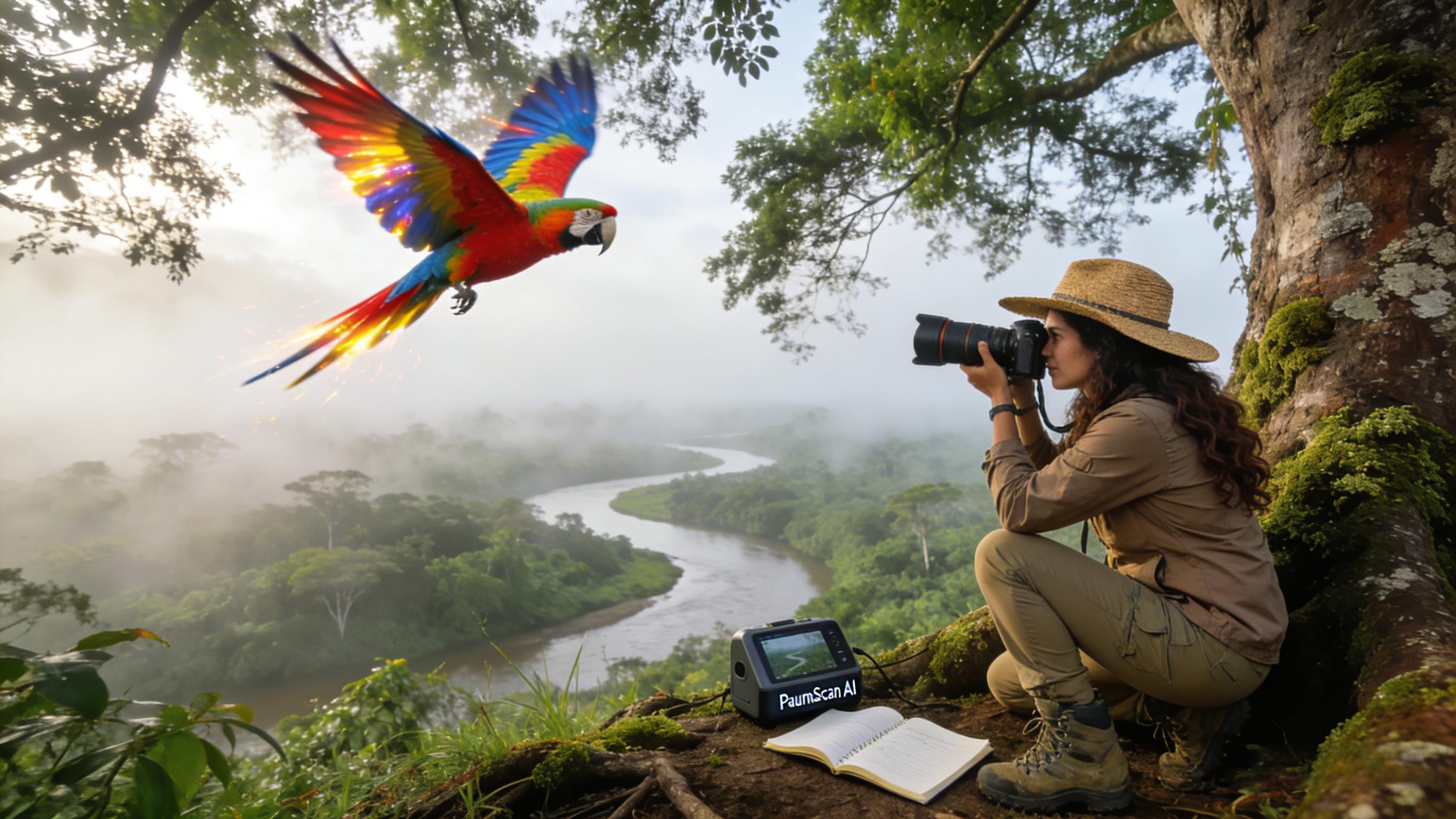
Let me start with the Scarlet Macaw, the most iconic "color bomb" in the Amazon. Its feathers are a perfect combination of bright red, deep blue and golden yellow — the head and body are bright red, the wings are deep blue with golden yellow edges, and the long tail feathers are a gradient of red and blue. When they fly, their wings spread wide, and the colorful feathers are like a flying rainbow, which is breathtaking. I once spent 2 hours squatting under a kapok tree just to take a clear photo of them. At first, they were very alert, and they would fly away as soon as I moved. Later, I learned to keep a quiet posture, and slowly they got used to my presence. They usually move in groups of 3-9, and they are very social. When they forage, they will pick fruits from the canopy, and their loud calls can be heard from a long distance. The best time to watch them is from 6 to 8 in the morning, when they fly out of the nest to forage — at this time, the light is the softest, and the colors of their feathers are the most vivid.
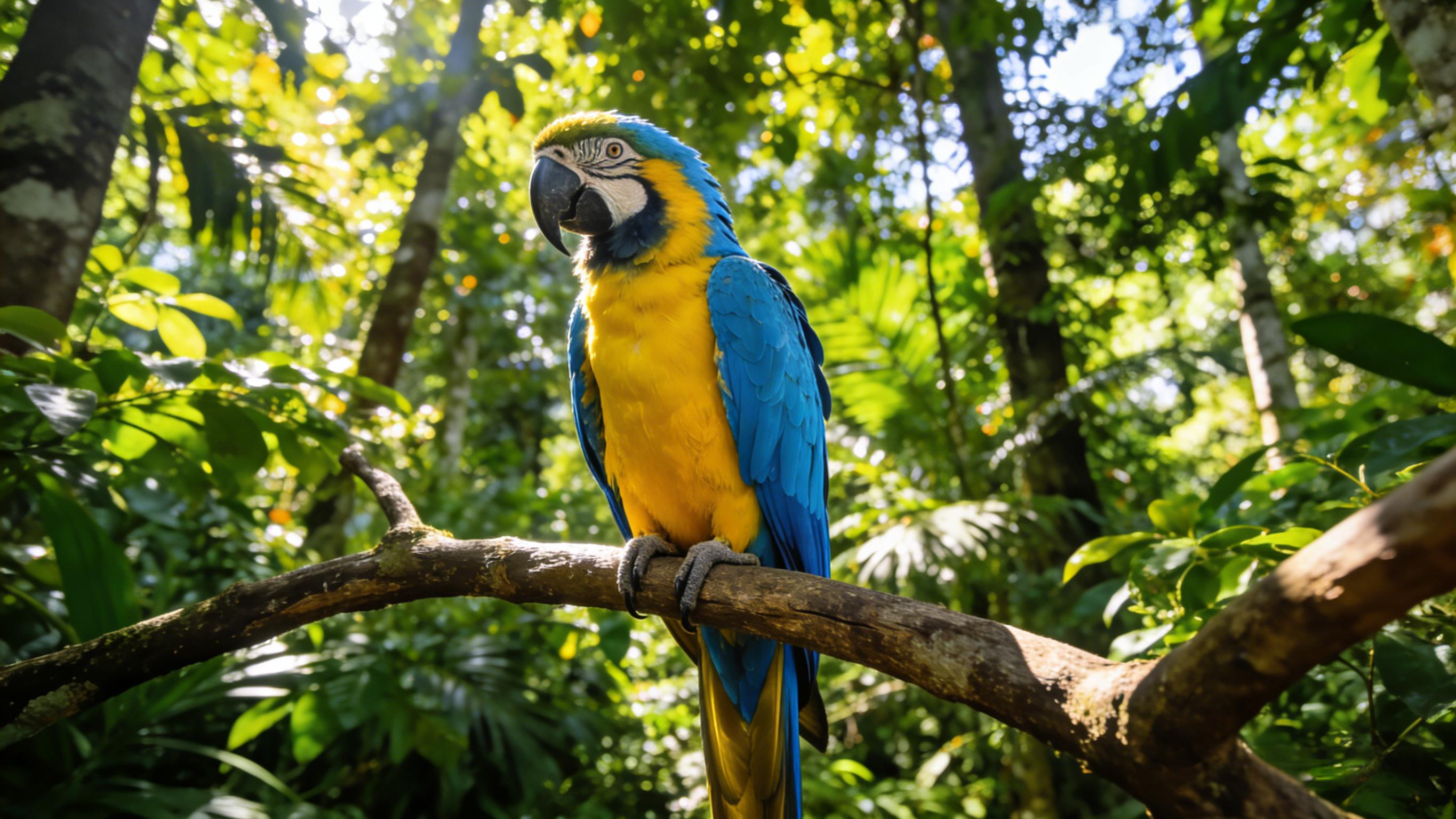
Oh, and I have to mention the Blue-and-Yellow Macaw, which is more common in the rainforest than the Scarlet Macaw. Its body feathers are mainly bright blue and yellow — the back and wings are bright blue, the abdomen is bright yellow, and the neck has a little green gradient. Unlike the Scarlet Macaw, the Blue-and-Yellow Macaw often moves in the middle and lower layers of the canopy, so it’s easier to spot them. I once saw a Blue-and-Yellow Macaw standing on a banana tree, pecking at bananas, and its movements were clumsy and cute. They are also very smart birds. I once saw a Blue-and-Yellow Macaw using a branch to dig out insects in the tree trunk — it’s like a little "architect" exploring the world. Their calls are louder and more resonant than the Scarlet Macaw’s, and when a group of them call together, it’s like a natural symphony.
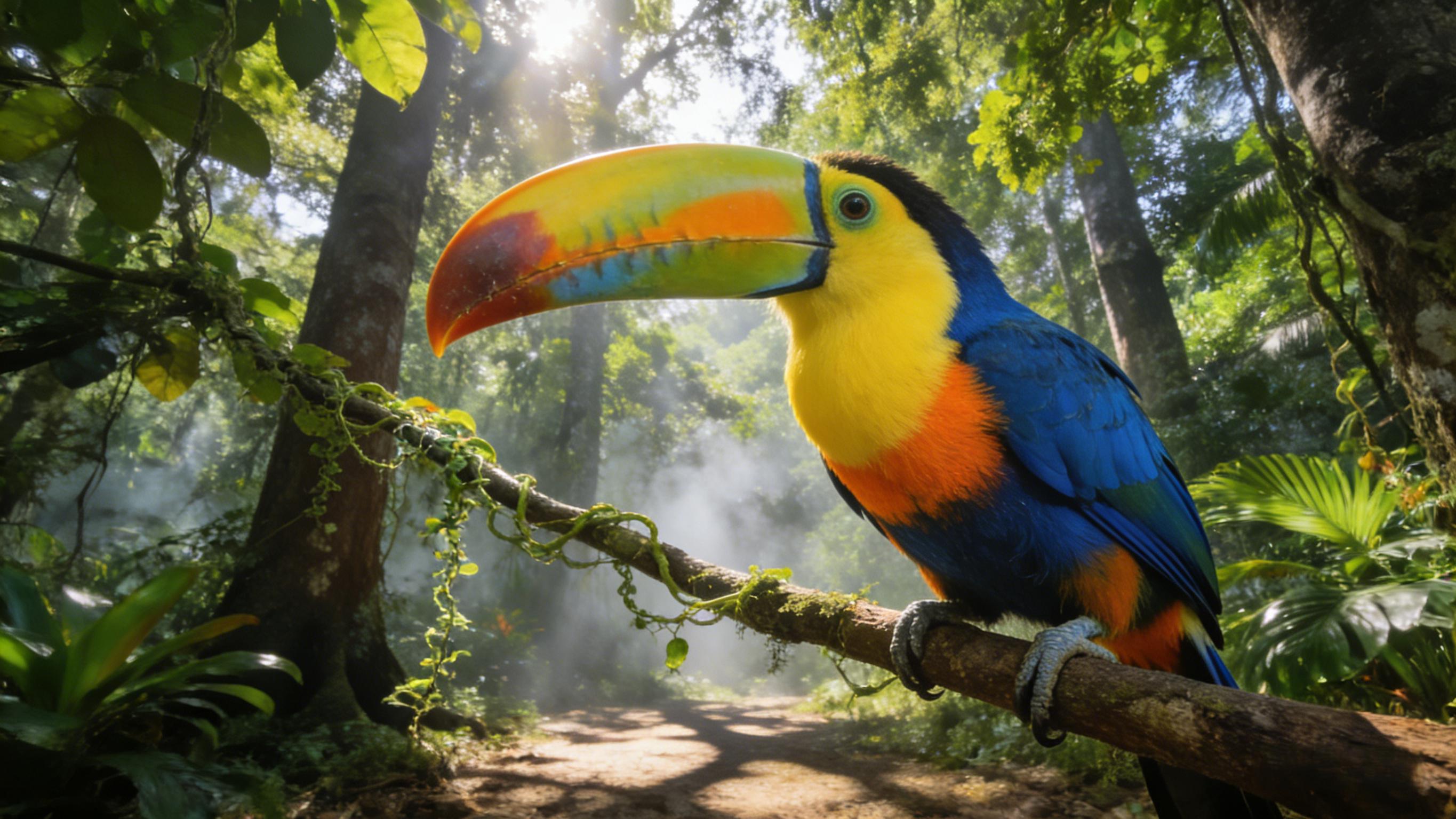
Then there’s the Keel-billed Toucan, the "most colorful beak bird" in the Amazon. Its beak is the highlight — it’s about 20 centimeters long, with a gradient of green, red, orange and yellow, like a painted paintbrush. The body feathers are mainly black, with a white chest and a red tail tip. Although its beak is huge, it’s very light, which is convenient for it to pick fruits. They like to inhabit the edge of the rainforest and fruit trees, and their diet is mainly fruits, insects and small reptiles. They are not good at flying, and often jump between branches. I once saw a Keel-billed Toucan jumping on a mango tree, and it took it a long time to pick a mango — its movements were slow, but very careful. When they feel threatened, they will puff up their feathers and open their beaks to scare away enemies. Although their appearance is not as "flamboyant" as the macaws, their unique beak makes them stand out in the rainforest.
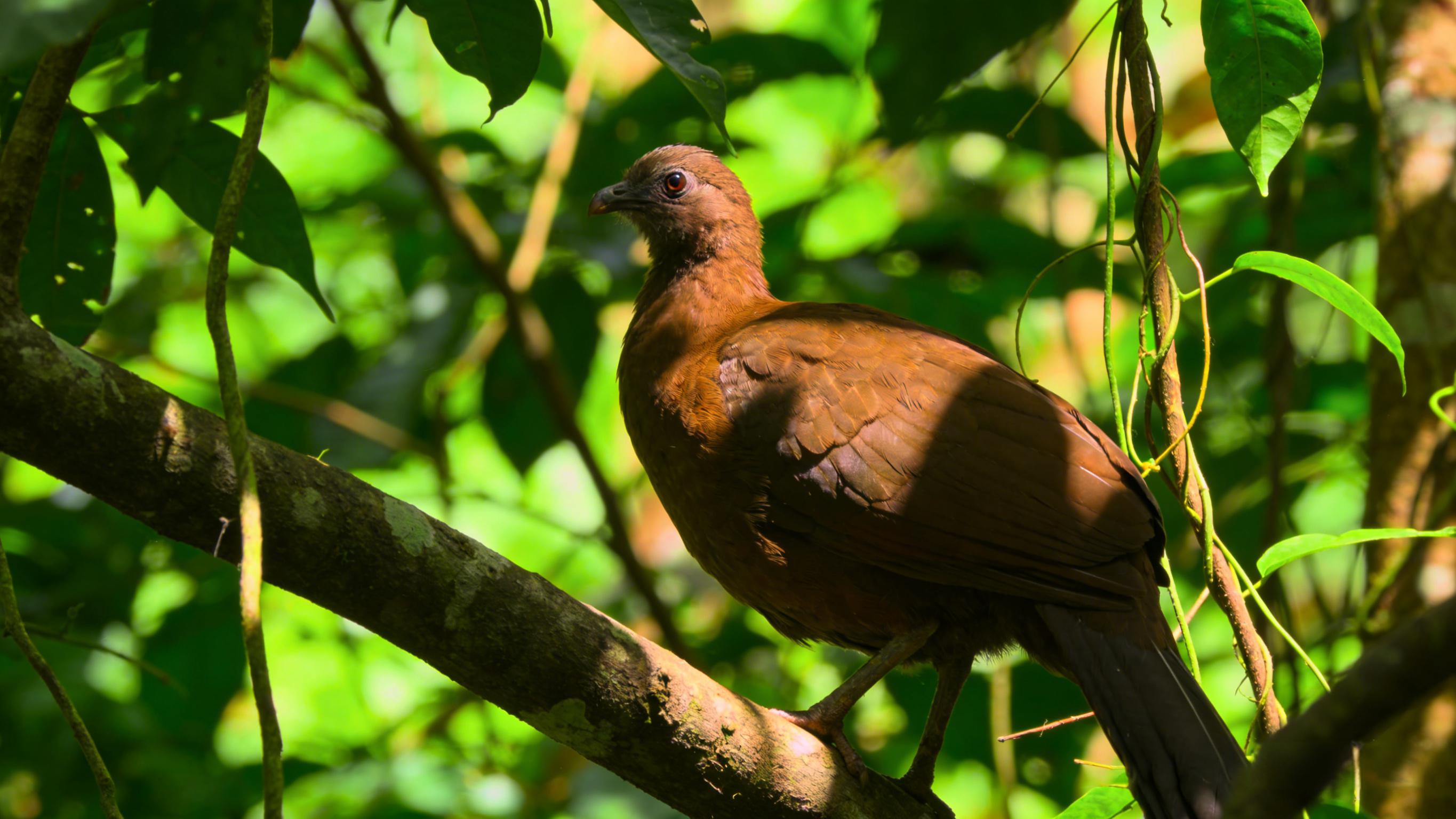
The Green-and-Gold Macaw is a rare "color bomb" that I was lucky enough to see. Its body is mainly emerald green, with golden yellow feathers on the wings and back — the golden yellow is particularly bright in the sun, like sprinkled with gold powder. They are different from other macaws; they like to inhabit the dense forest in the interior of the rainforest, and they are not easy to be found. I spent 3 days looking for them before I saw a Green-and-Gold Macaw perched on a tree trunk, preening its feathers quietly.
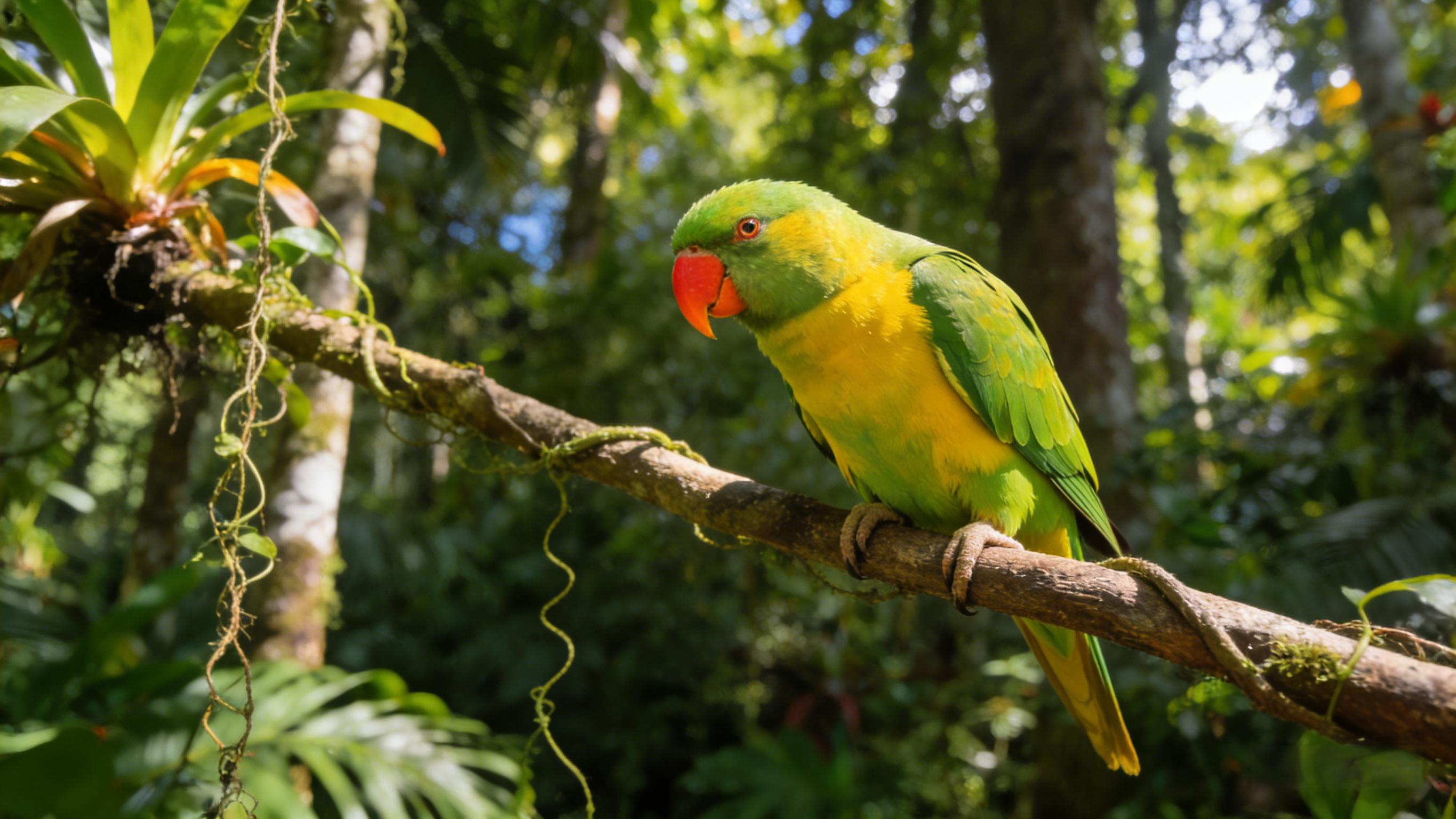
Their calls are soft and melodious, like a gentle lullaby, which is completely different from the loud calls of other macaws. They are also very gentle birds. I once saw a Green-and-Gold Macaw feeding a chick, and its movements were very gentle. Although they are rare, they are worth waiting for — their green and golden feathers are integrated with the surrounding vegetation, which is a kind of low-key and elegant beauty.