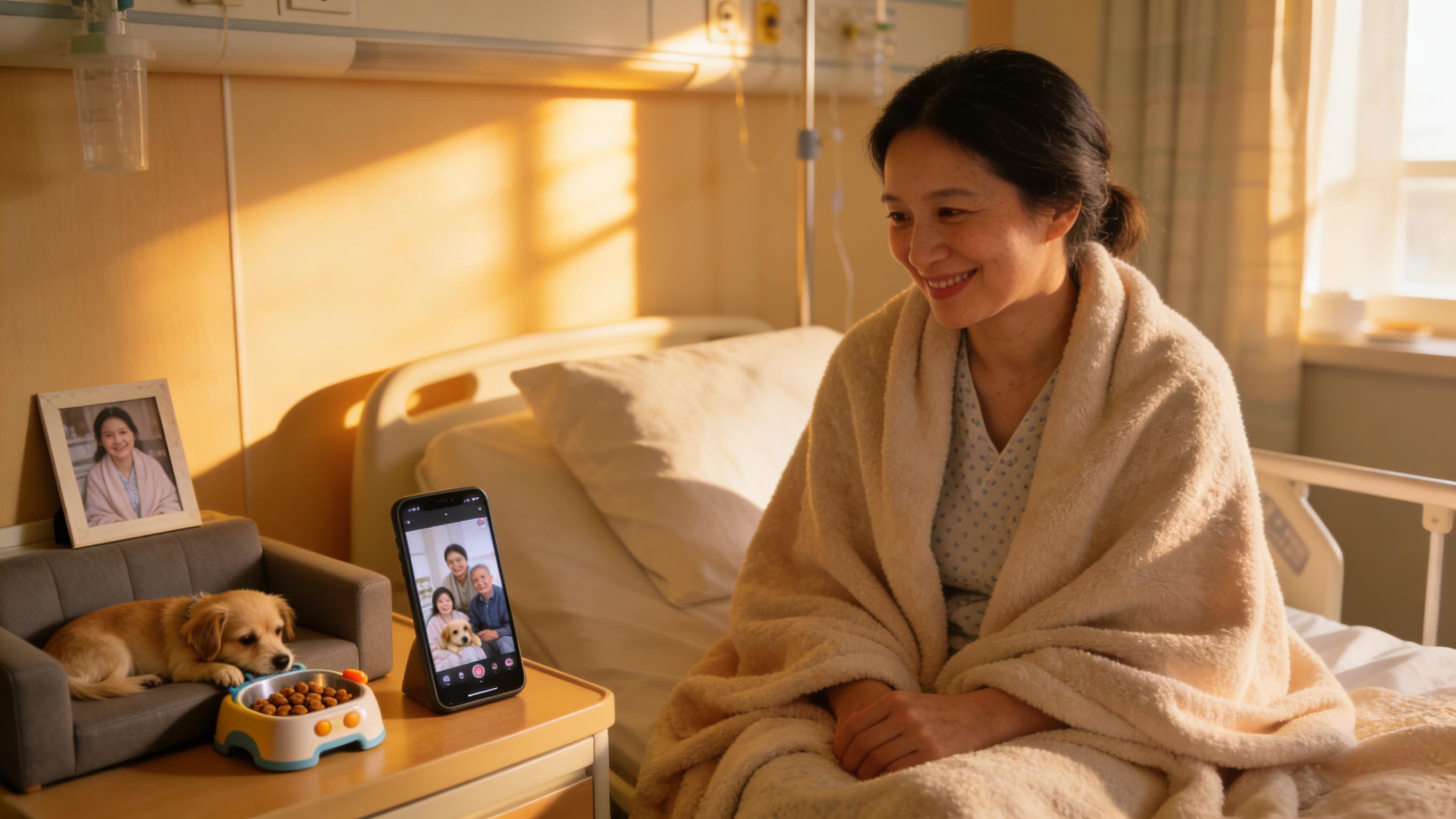
Last week, a FaunaScan community friend sent me a long message, and I sat in my study, reading it with tears in my eyes. She’s in the middle of chemotherapy, and every time she goes to the hospital for treatment, she can’t help but cry on the way — not just because of the pain of chemotherapy, but because she’s worried about her little Chihuahua at home. She said, "Every time I open the door, the sofa is torn to pieces, the shoes are chewed beyond recognition, and she’s huddled in the corner, trembling, as if she’s been abandoned. I feel so guilty. I can’t even take good care of my own pet when I’m sick." I know exactly how she feels — the helplessness of treatment, the guilt of not being able to accompany her pet, it’s like two heavy stones pressing on her heart. But today, I want to tell her, and all of you who are in the same situation, that pet separation anxiety is not your fault, nor is it the pet’s fault. It’s just that they are too afraid of losing you, just like you are afraid of losing the warmth of home. And I’m here to share with you the methods I’ve summed up over 20 years of raising pets, to help your little one get through the time when you’re away, and to let you have a little more peace of mind during treatment.
I’ve raised pets for 20 years, and I’ve encountered all kinds of pet problems, but the one that makes me feel the most distressed is separation anxiety. I still remember the retired search and rescue dog I took care of 5 years ago — his name was Max, and he had severe separation anxiety. Every time his owner left home, he would bark continuously, scratch the door until his paws bleed, and even stop eating and drinking. It took me 18 months to accompany him to recover his socialization. The moment he took the initiative to wag his tail and fell asleep in his owner’s arms, I firmly believed that the essence of behavior correction is not obedience, but rebuilding trust.
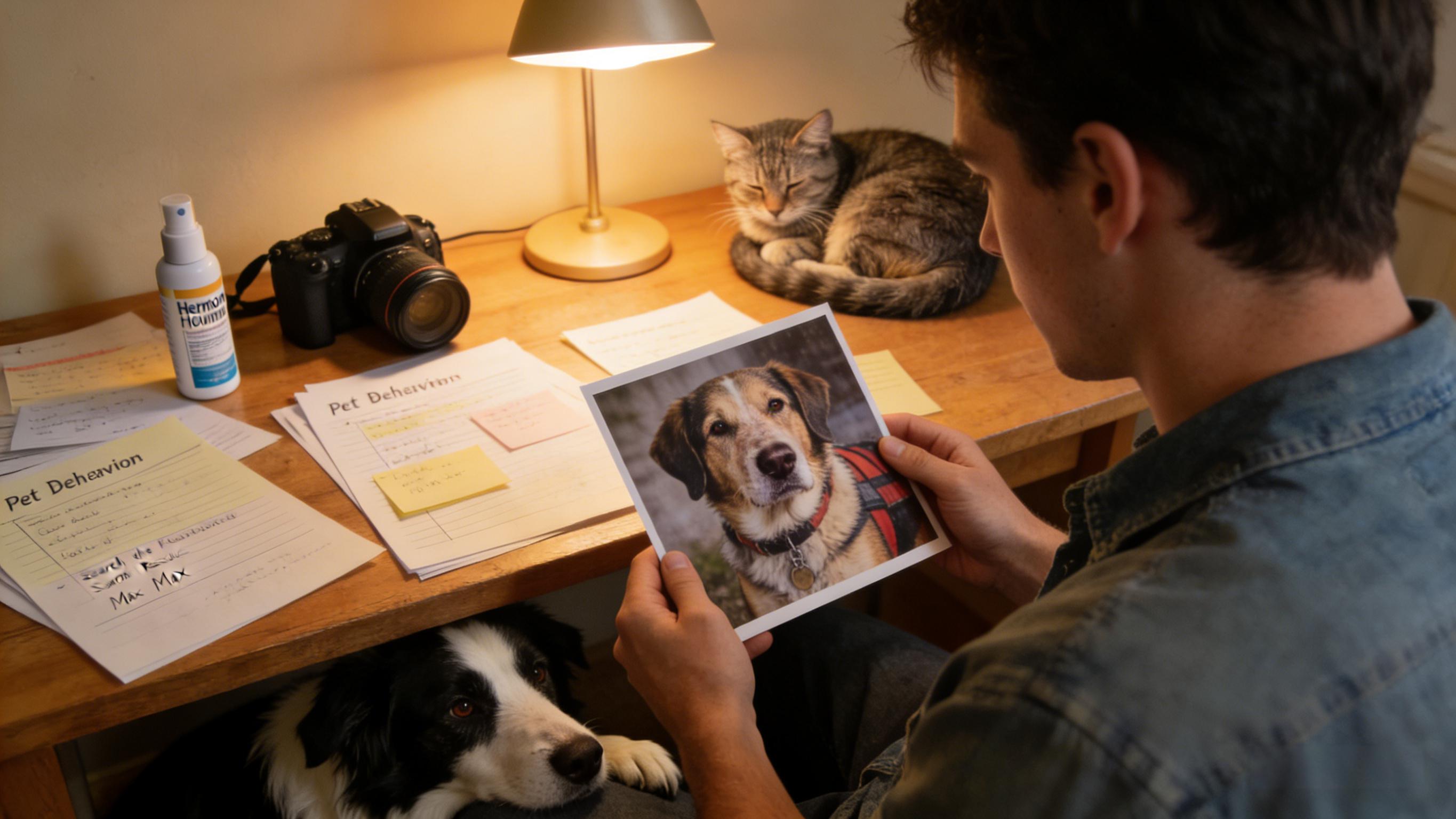
Let me tell you the truth — many people think that pet separation anxiety is "naughty", and they even punish their pets for chewing furniture and barking. But that’s totally wrong. Punishment will only make them more afraid. I once had a client who punished her cat by locking it in a cage every time she went out, and the result was that the cat became more anxious, even urinating and defecating on her bed. You know, pets don’t understand "punishment", they only know that "when you leave, I will be hurt", so they become more panic-stricken.
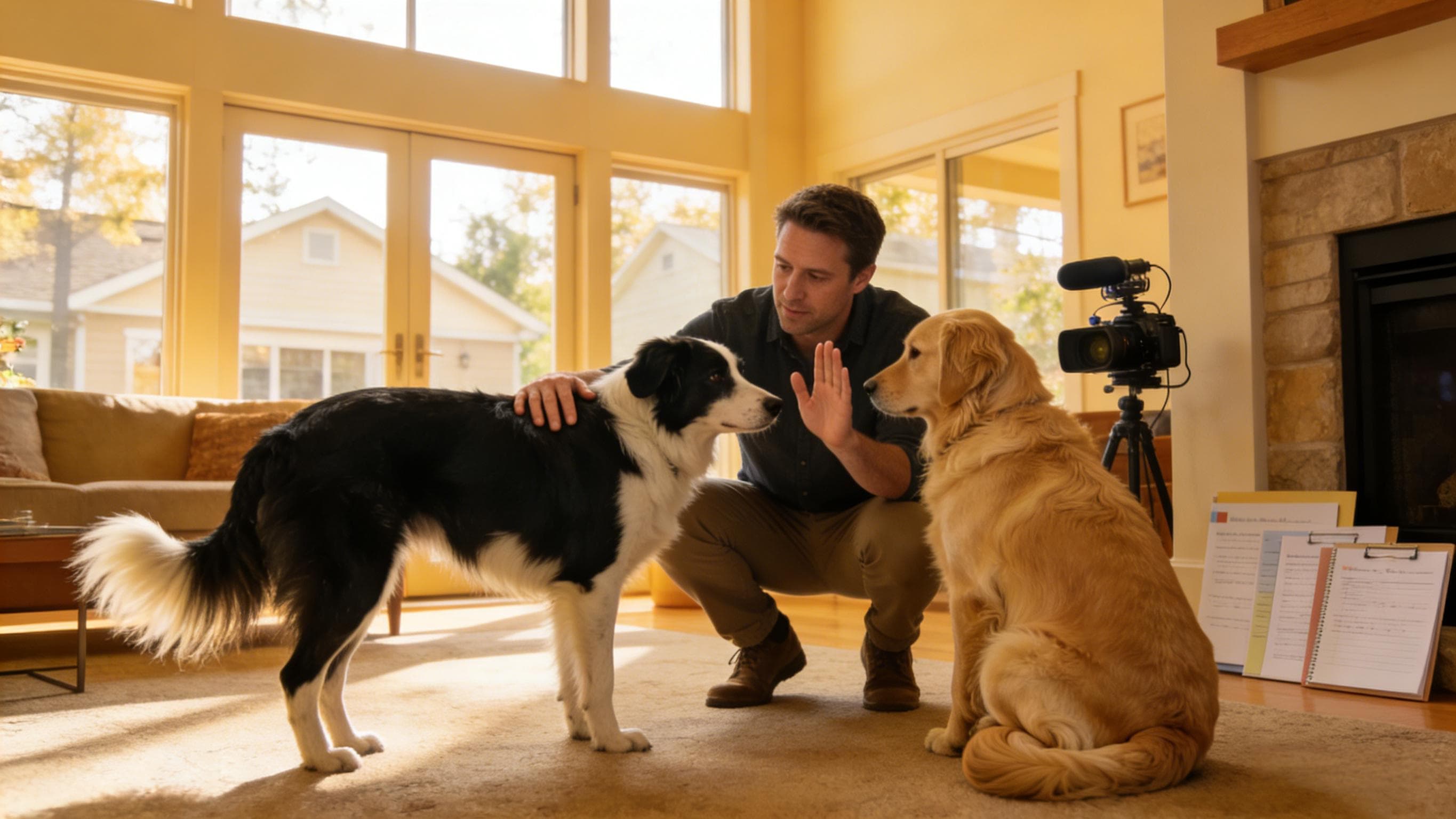
The most effective way I’ve found over the years is gradual separation training — don’t rush to leave for a whole day, start with small steps. For example, when you’re at home, go to another room and close the door for 1 minute. If your pet doesn’t bark or make a fuss, immediately go out and give it a snack (I usually use Ollie’s favorite chicken jerky, it works every time). Then gradually extend the time to 5 minutes, 10 minutes, half an hour... Oh, and there’s a little trick I almost forgot — don’t make a big fuss when you go out or come back. Don’t hug it tightly and say "I’m sorry" when you go out, and don’t rush to play with it when you come back. Just act as if it’s a normal thing, so that your pet will know: "You leaving is not a big deal, you will definitely come back."
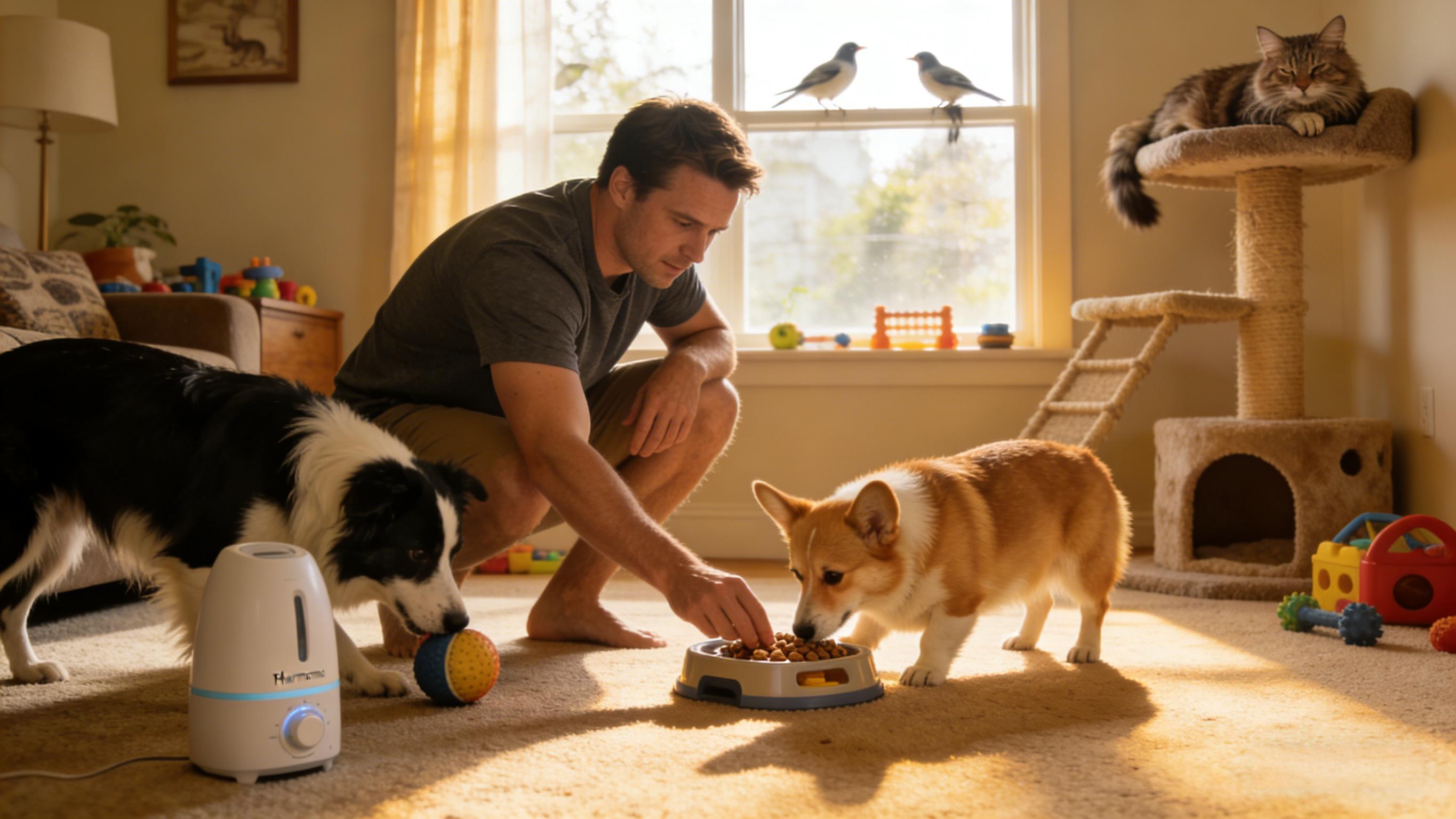
Environmental enrichment is also very important. When you’re not at home, you need to give your pet something to do to distract its attention. I usually put a food-dispensing toy for Ollie — the kind that needs to be rolled to get snacks out. It can play with it for an hour or two. For cats, you can set up a cat tree by the window, put some catnip toys, and let it watch the birds outside. Oh, and pheromone diffusers are really useful! I have one in my living room. It can simulate the pheromone released by the mother pet, which can make pets feel safe. I once recommended it to a cancer patient friend, and she told me later that her cat’s anxiety was much better, and she could finally focus on treatment without worrying about home.
I know, for you who are undergoing cancer treatment, even doing such a small training may feel tiring. You may not have the energy to get up and prepare toys for your pet, or you may feel guilty because you can’t accompany it. But please remember, even the smallest progress is a victory. If today your pet can stay alone for 5 minutes without barking, that’s great! Don’t be too hard on yourself, and don’t be too hard on your pet. They don’t care how perfect you are, they just care that you love them.
I once had a patient friend who was too weak to do training, so she asked her family to help. Every day, her daughter would do 10 minutes of separation training with their dog. After a month, the dog no longer chewed furniture, and even could lie quietly on the sofa waiting for her to come home. She told me, "Every time I come home and see it lying there quietly, I feel that all the pain is worth it. It’s like it’s telling me: ‘I’m fine, you can rest assured to treat’." That’s the magic of pets — they can always give us strength when we are the most vulnerable.
I often say, "Love them, start with understanding their silence." Pets can’t speak, but their every move tells us their feelings. The barking when you leave, the trembling when you come home, the destruction of furniture — all these are their cries for help, their fear of being abandoned. As their owners, we don’t need to be perfect, we just need to be patient, to accompany them, and to help them build a sense of security.
By the way, do you have a pet with separation anxiety? Or have you tried any useful methods to relieve their anxiety? Leave a comment below and let’s chat — I read every comment personally, just like I do every day. Because I know, every word you type is not only a question, but also a kind of courage. Remember, you are not alone in this journey. You have your family, your friends, your pets, and all of us in the FaunaScan community. Even if today is just a little better than yesterday, that’s a victory. And your little one, will definitely grow up with you, and accompany you through this difficult time.