Last weekend, I received an emergency message from a FaunaScan friend who often goes hiking — he was bitten by a snake in the suburban mountain forest near the city, and he didn’t know if it was venomous, so he was so flustered that he almost ran around randomly. Fortunately, he remembered to take a photo of the snake before panicking, and after I saw it, I quickly told him it was a non-venomous rat snake, and told him how to clean the wound. That incident made me realize that for outdoor enthusiasts, knowing how to distinguish venomous snakes from non-venomous snakes is not just a knowledge point, but a life-saving skill.
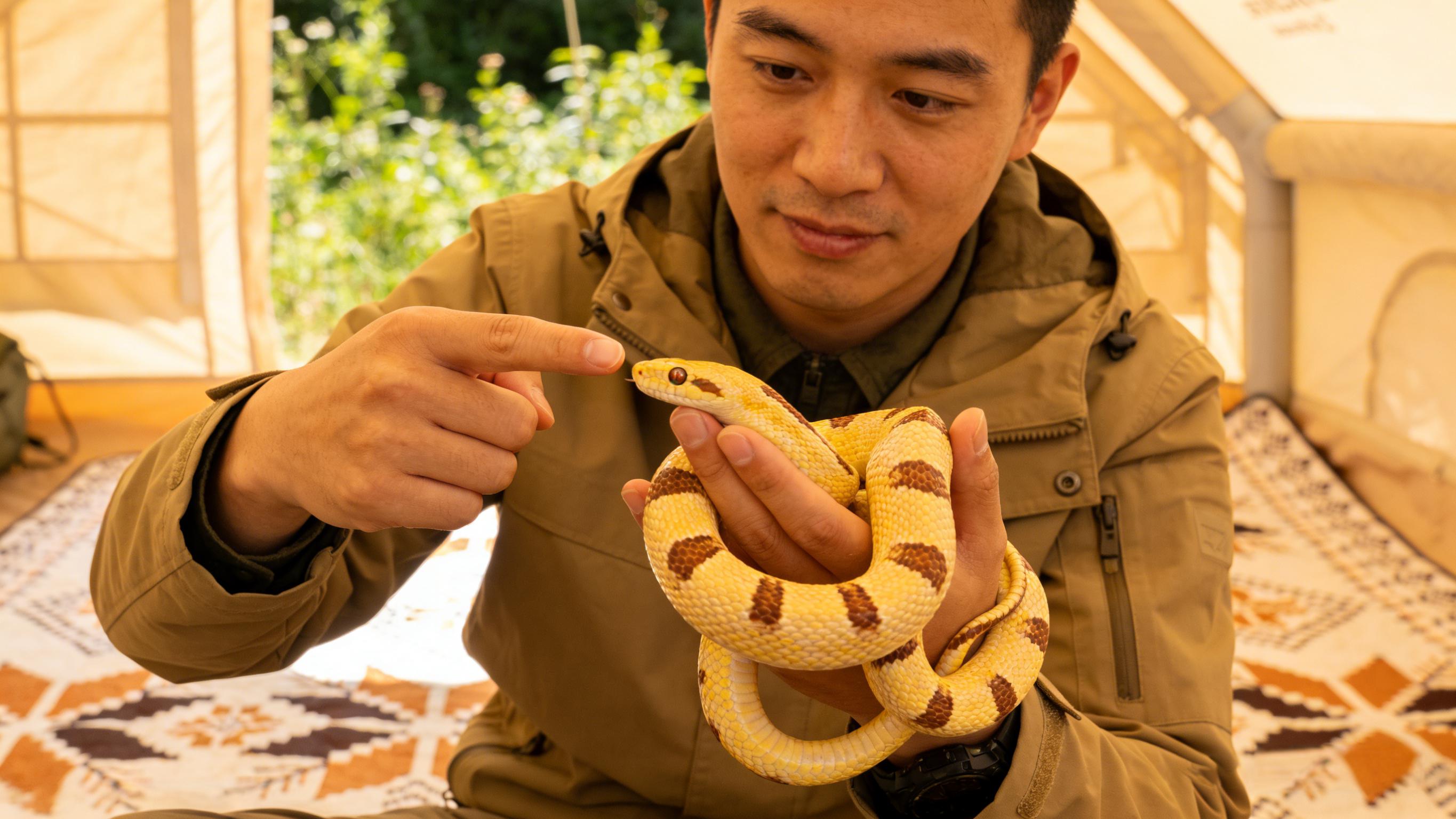
I’ve been studying animal behavior for 10 years, and I often go to the wild to observe snakes and other wild animals — I even spent half a year living in a mountain village in Yunnan, following local snake catchers to learn about snake habits (don’t worry, we only observe and never hurt them). I also have a pet corn snake at home named Xiaomi, which is a typical non-venomous snake. Let me tell you, distinguishing venomous snakes from non-venomous snakes is not as difficult as you think — you just need to remember three small details, and you can tell them apart in a few seconds.
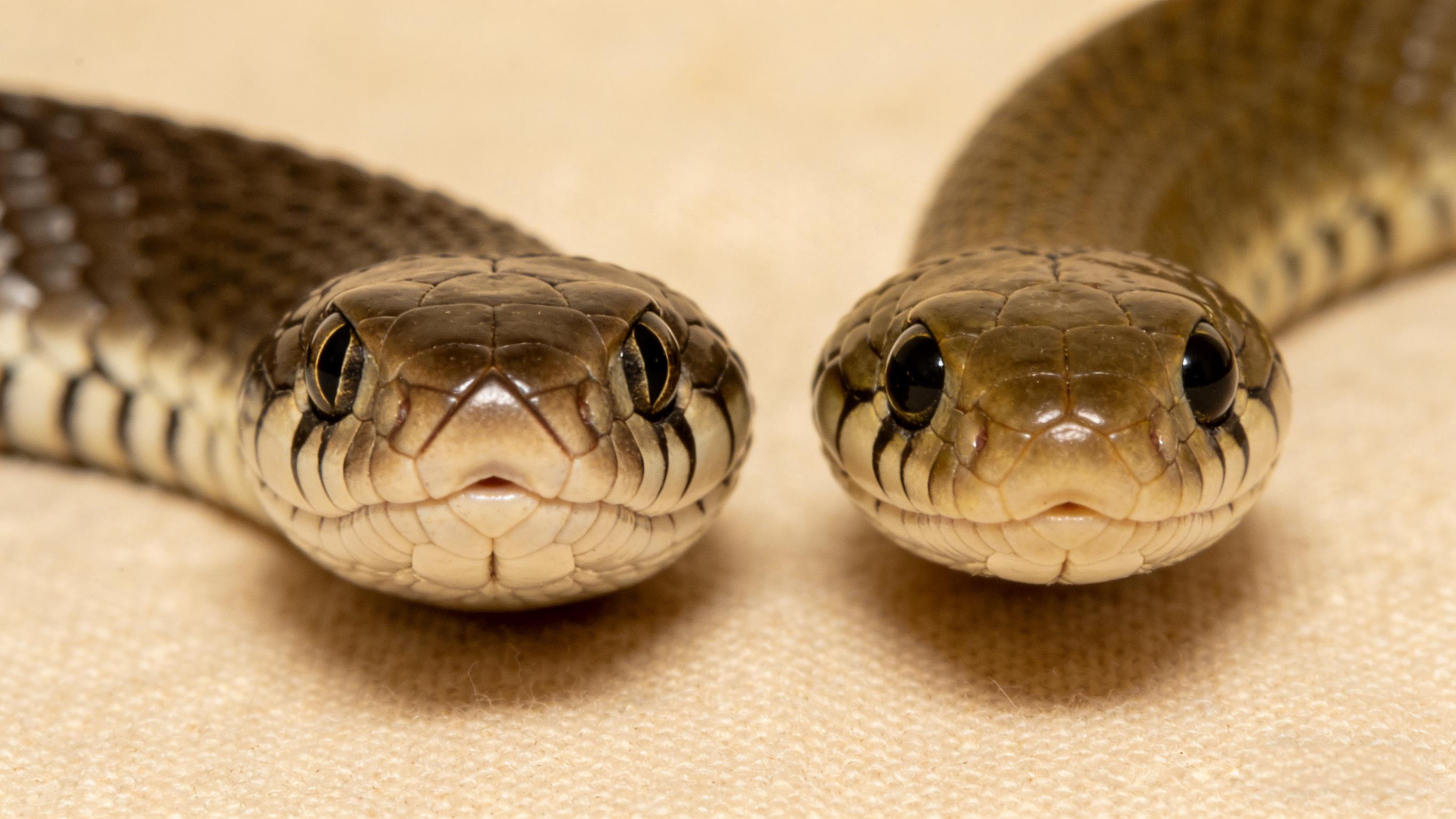
The first detail, which is also the easiest to observe, is the pupils. Let me put it simply — most venomous snakes have vertical pupils, like the thin slits of a cat’s eyes, especially when the light is dim, they will narrow into a line, looking a bit "cold". But non-venomous snakes are different — their pupils are round, like small black beads, looking much softer. I once took a photo of a venomous cobra’s pupils with a slow-motion camera (the one I use to observe animal micro-expressions), and you can clearly see the slender vertical slit, which is completely different from Xiaomi’s round pupils. Oh, and there’s an exception — the cobra in some areas has round pupils, but this is very rare, so you can basically judge by the vertical pupil first.
Then there’s the head shape, which is a very obvious sign. Venomous snakes have triangular heads, which look like an inverted triangle, and their heads are relatively large, because there are venom glands behind their heads, which makes their heads look swollen. But non-venomous snakes? Their heads are mostly oval or spindle-shaped, small and sleek, and they look very "gentle". I remember once, a friend of mine saw a snake with a triangular head and ran away in fright, but later I told him that it was a non-venomous viper snake — wait, no, wait, I made a mistake. The viper snake is venomous, but some non-venomous snakes will flatten their heads into a triangular shape when they are frightened to pretend to be venomous snakes to protect themselves. Oh right, that’s a common misunderstanding! So we can’t just judge by the head shape alone, we have to combine it with other details.
The third detail, which many people don’t know, is the subcaudal scales. Let me explain it in a way that everyone can understand — the scales under the snake’s tail, if they are arranged in a single row, it is mostly a venomous snake; if they are arranged in two rows, it is basically a non-venomous snake. This is a very professional identification method, but it’s not difficult to observe. You don’t need to touch the snake, just take a photo of the bottom of its tail from a safe distance. I once taught this method to a group of outdoor enthusiasts, and one of them later told me that he used this method to distinguish a venomous snake in the wild, which saved him from danger.
I know many people are afraid of snakes, and even have a "kill on sight" attitude, but I want to tell you — most snakes are non-venomous, and they are important members of the ecological chain, helping us control the number of mice and other pests. Killing non-venomous snakes at will will disrupt the ecological balance. And for venomous snakes, we don’t need to be too afraid — they will not take the initiative to attack humans unless they are provoked or threatened.
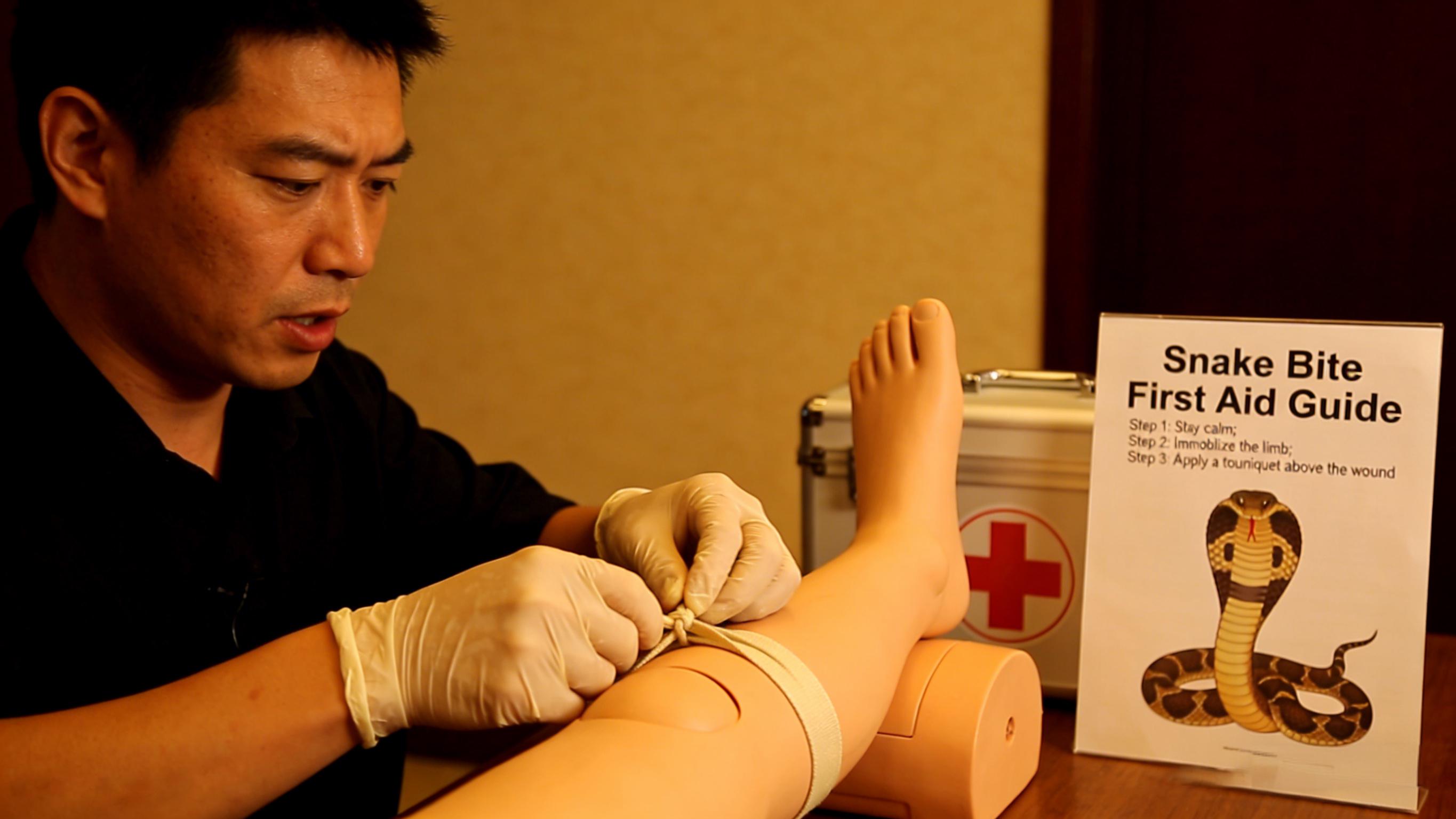
Here’s a super practical first aid tip: if you are accidentally bitten by a snake, don’t panic, don’t run around (running will speed up the spread of venom), don’t suck the wound with your mouth (it’s easy to infect and the venom will enter your body), and don’t cut the wound randomly. The correct way is to stop moving immediately, take off the jewelry such as rings and bracelets near the wound, tie a tourniquet 5-10 centimeters above the wound (not too tight, so that you can insert a finger), and then take a photo of the snake and go to the nearest hospital for treatment as soon as possible.
I often say that understanding is the premise of coexistence. For snakes, we don’t need to love them, but we must respect them. The reason I share these details today is not only to help everyone avoid danger when going out, but also to let more people know that snakes are not terrible, and the terrible thing is our ignorance of them.
By the way, do you have any experience of encountering snakes outdoors? Or do you have any questions about snake identification and first aid? Leave a comment below and let’s chat — I read every comment personally, just like I do every day. After all, protecting ourselves is also protecting the beauty of nature.