Last week, in the comments section of FaunaScan, a friend left me a message. She said she went to the zoo, pointed at an Asian elephant and called it an African elephant, and was corrected by a child nearby. She was so embarrassed she wished she could disappear into the ground. Honestly, I completely understand that feeling—when I first started working at the San Diego Zoo, I made the exact same mistake. Back then, I even complained to my mentor, "Aren't they all just elephants? One has bigger ears, one has smaller ears—does it really matter that much?"
Looking back now, I realize how naive I was. Over the past ten years, I've watched the elephants in our care grow from calves to adults, observed them eating, playing, interacting, and gradually discovered that the differences between African and Asian elephants go far beyond just their ears. Their skeletons, their tusks, even the way they make friends—everything is remarkably different. It's like my mischievous border collie Ollie and the neighbor's Corgi—they're both dogs, but their personalities and habits couldn't be more different. Elephants are the same.
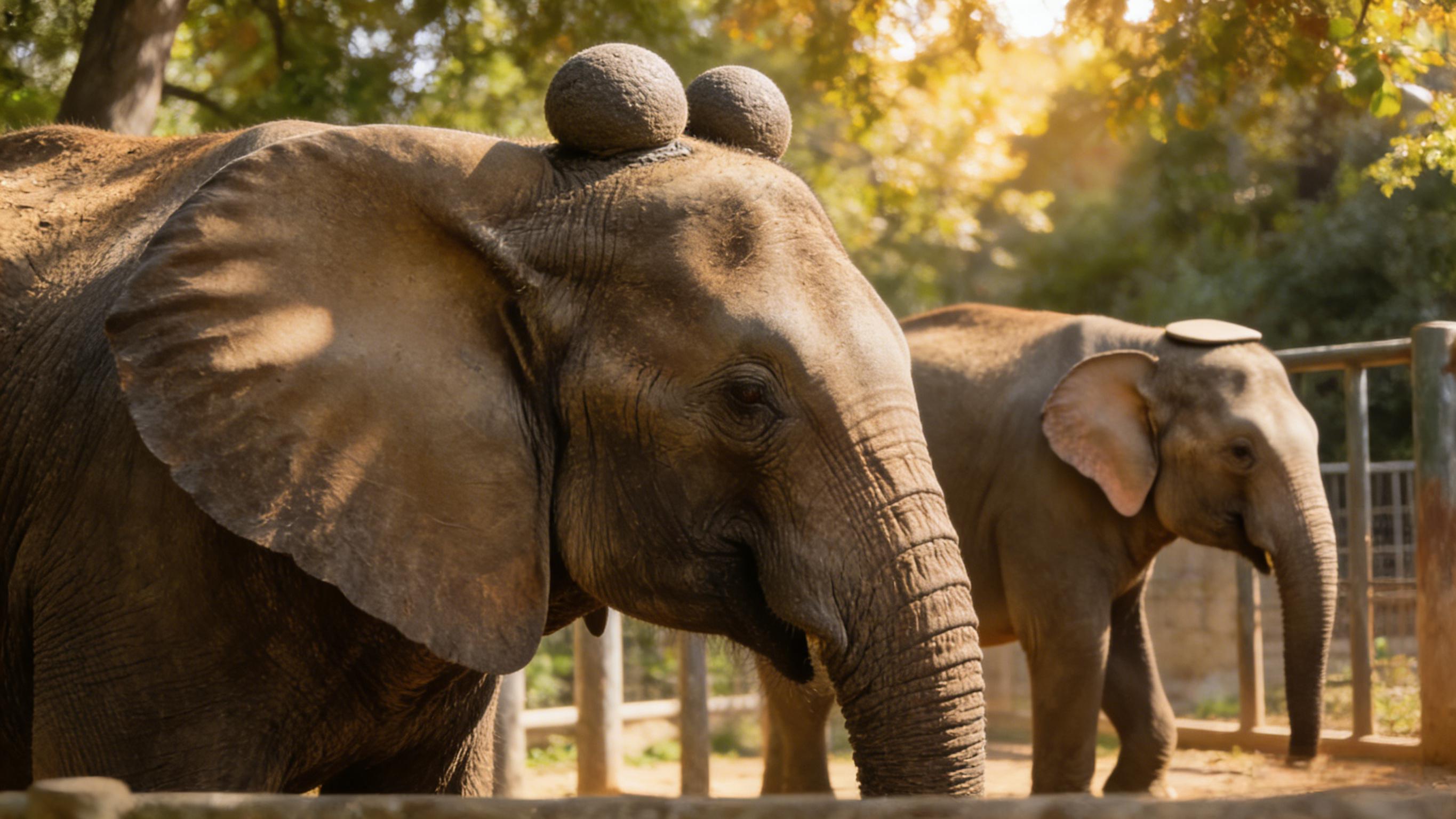
Let's start with the most overlooked aspect—their skeletons. Have you ever closely observed an elephant's forehead? African elephants have two very distinct domes on their heads, like they're wearing a small bicorn hat. The first time I touched one, I thought it had been artificially sculpted, but later I learned it's their natural skull structure, designed to support heavy muscles and skin. Asian elephants, on the other hand, have much flatter foreheads, with only a faint bump that's easy to miss if you're not looking closely. And then there's their spine. African elephants have a more curved spine, giving them a swaying, lumbering gait that makes them seem more gentle and earnest. Asian elephants have a straighter spine and move with a lighter step—like my old cat Grace, silent and graceful.
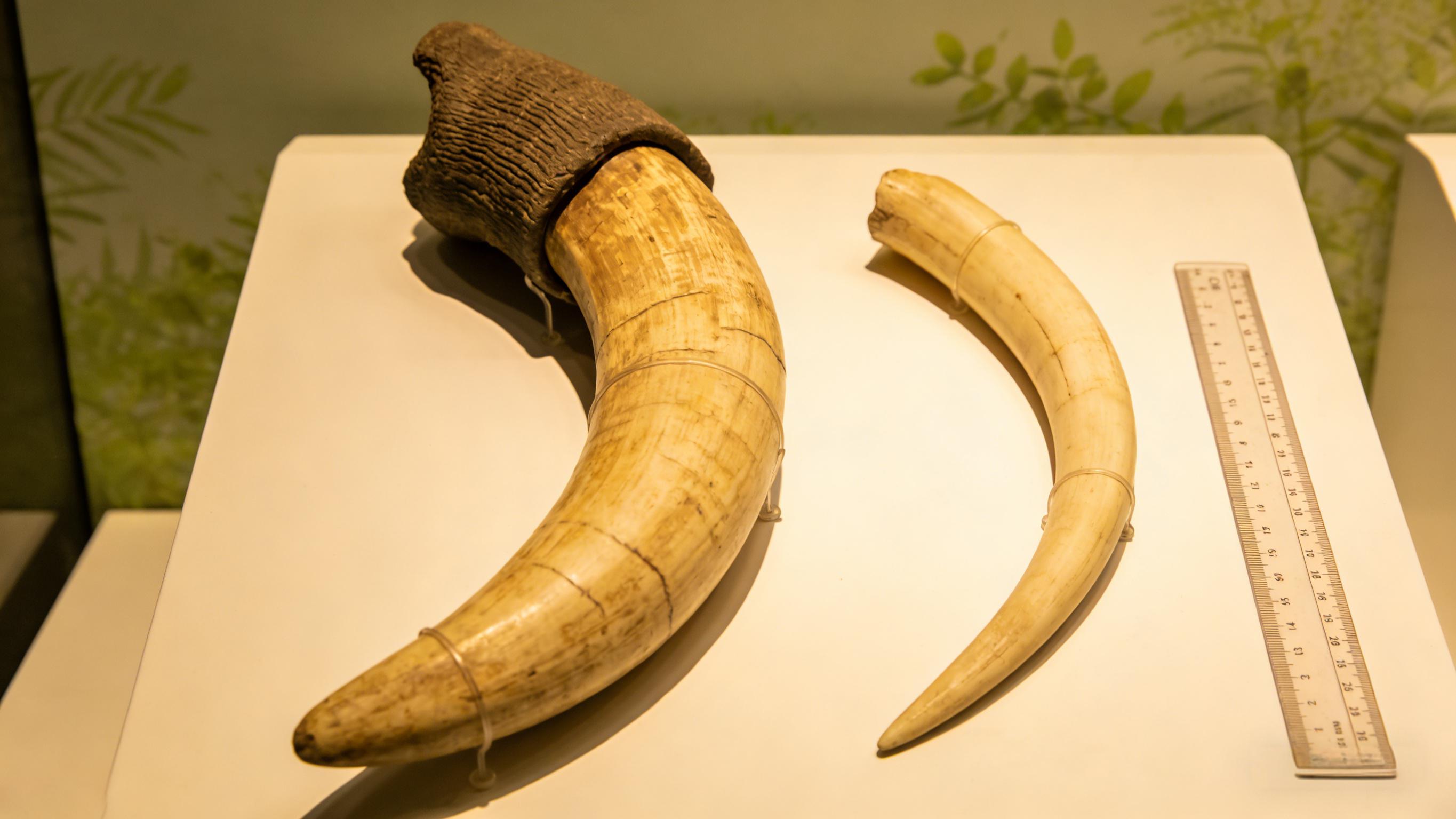
Then there's the tusks—what most people are familiar with. To be honest, many people assume "all elephants have tusks," but that's actually a huge misconception. I've worked with an Asian elephant named Lia at the zoo, and visitors often ask me, "Where are its tusks? Were they cut off?" Actually, no—only male Asian elephants grow tusks, and they tend to be slender and curve gently. African elephants are different: both males and females have thick, sturdy tusks with a more dramatic curve. Some can grow over a meter long, gleaming with a pale ivory hue in the sunlight—truly powerful to behold. But it's precisely because of these beautiful tusks that they face illegal poaching. Every time I think about it, my heart aches—these gentle giants should be roaming freely across savannas and forests, yet they face a survival crisis because of human greed.
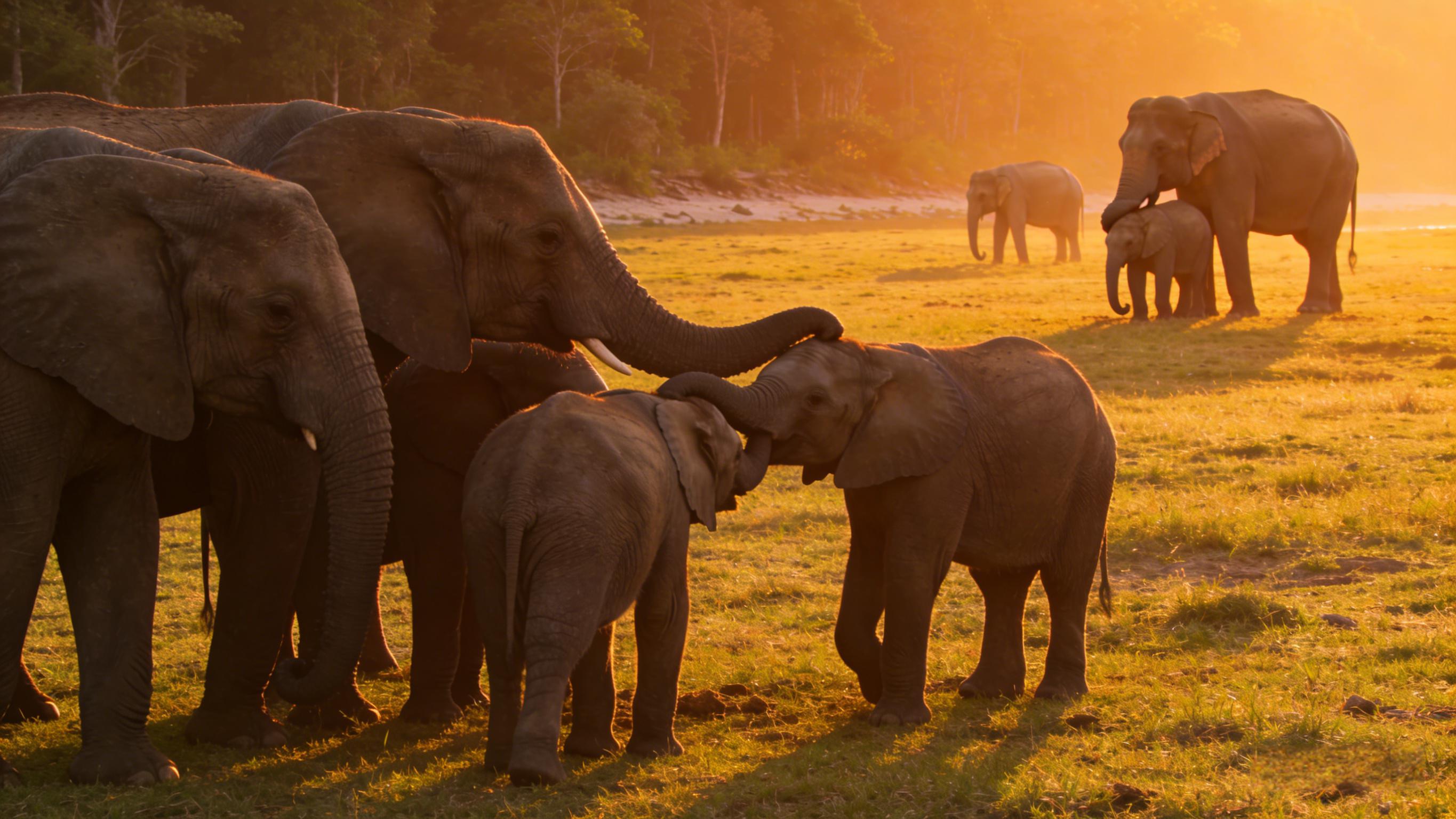
What fascinates me the most, though, is their social behavior—after all, I'm an animal behavior researcher, and these little details are irresistible to me. African elephant herds are like one big extended family. They're typically led by the oldest female, guiding a group of dozens of elephants—females, calves, and adolescent males. Their interactions are incredibly frequent. They use their trunks to touch and entwine with one another, almost like human hugs. They groom each other, share food, and when a companion is injured, they'll gently comfort them with their trunks. I remember once, a young African elephant calf at the zoo stumbled and fell, and several adult elephants gathered around, carefully using their trunks to help it back up. That kind of tenderness—it heals something in you.
Asian elephant social dynamics are much more reserved. Their groups are smaller, usually just a few females and their calves. Once male Asian elephants reach sexual maturity, they leave the group to live solitary lives—like teenagers wanting to strike out on their own. Their communication relies more on scent. They leave scent markings on tree trunks to tell other elephants, "I've been here." When they meet familiar companions, they simply give a gentle sniff, not as effusively as African elephants. But they have their gentle side too. A mother Asian elephant's care for her calf is just as devoted as that of her African counterpart—she stays by her calf's side, protecting it until it's fully grown.
Honestly, whether African or Asian, elephants are among the gentlest and most intelligent creatures on Earth. I often think that understanding their differences isn't just about being able to tell them apart—it's about understanding their unique needs. African elephants need vast grasslands and abundant water sources. Asian elephants need dense forests and quiet environments. What they both need, above all, is our respect and protection.
Whenever Ollie sees elephants on TV, he wags his tail at the screen, almost like he's saying hello. I think that between animals and humans, there's never been a real distance. They have their own emotions, their own social lives, their own ways of being. Even if today you only remember that African elephants have big ears and Asian elephants have small ones, even if you've learned just one small new fact about them—that's progress. As I always say: even if today it only looks at you for a moment longer without hiding, that's a victory.
Have you ever seen African and Asian elephants at the zoo? Have you noticed any of their subtle differences? Tell me in the comments—I'd love to hear what you've discovered. Love them, starting from understanding their silence. And starting from understanding what makes each of them unique.