I live in a small suburb outside Chicago, and every morning—even on the days I’m swamped with client calls or behavior consultations—I make time to walk to the nearby Lincoln Park. Not for the exercise, mind you (though my old border collie, Ollie, would argue that’s a bonus). No, I go because I’ve got a date with the park’s “invisible residents”—the little birds that flit between the oak trees, hop on the picnic tables, and sing like they don’t have a care in the world. And lately? I’ve been bringing a folding chair, a thermos of chamomile tea, and my beat-up birding notebook—because these tiny creatures? They’re not just birds to me. They’re a lifeline, especially for the cancer patients I’ve had the honor of supporting over the years.
I’m Evelyn Carter, a PhD in Animal Behavior from Cornell, a CDBC (that’s a Certified Dog Behavior Consultant, in case you’re wondering), and the girl who’s spent 20 years nursing rescue pets back to health and 10 years studying how animals heal us—just as much as we heal them. I’ve sat with patients who can barely lift their heads after chemo, who tell me they feel like they’re drowning in fatigue and fear. And I always tell them the same thing: “Let’s go to the park. Not to ‘get better’—just to listen.” Because I know, from both my research and my own silly little moments with Ollie and my 17-year-old cat Grace, that healing doesn’t have to be big. It can be a single bird song. A flash of feathers. A tiny, fleeting moment of peace in a world that feels like it’s spinning too fast.
Let me start with the European Starling—you’ve definitely seen them, even if you didn’t know their name. They’re the ones with the glossy black feathers that look purple or green in the sun, like someone dipped them in oil and glitter. Their beaks are this bright, almost neon yellow, and their calls? Oh man, they’re chaos in the best way. Whistles, chirps, even little imitations—I once heard one mimic a kid’s scooter horn, and I swear I laughed so hard I spilled my tea. I’ve been trying to photograph these guys for months, and let me tell you, I’ve made a fool of myself more than once. Last week, I crouched down in the grass to get a low angle, and I tripped over a root—landed flat on my back, camera in the dirt (don’t worry, it’s a tough old thing). But you know what? That starling just perched on a nearby branch and watched me, like it was laughing. Eventually, it hopped down to the bench I’d been sitting on, and I got the shot. Persistence, right? 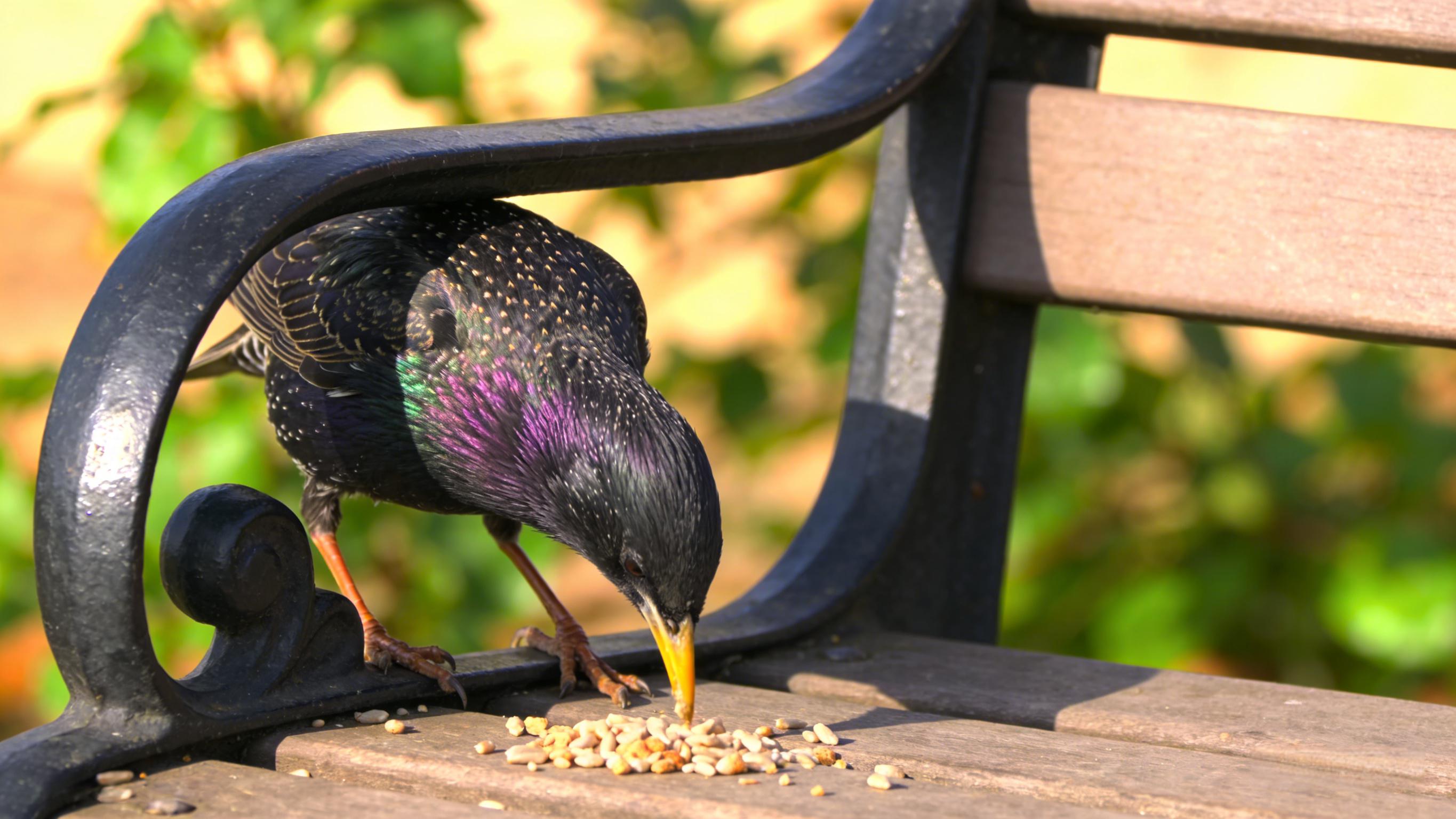
Next up: House Sparrows. The ultimate “blend-in” birds. They’re everywhere—in the park, on the sidewalk, even stealing crumbs from the local coffee shop—but we ignore them because they’re plain. Males have a gray cap, chestnut back, and a little black bib, like they’re wearing a tiny tuxedo. Females? Just plain brown, no frills. But let me tell you—they’re my favorite. Why? Because they’re resilient. They adapt. They find joy in the smallest things, like a handful of millet or a warm spot in the sun. I once brought my niece, Lila, to the park, and we sat on a bench with a bag of millet. She held out her hand, trembling a little, and a sparrow hopped right on. Her eyes lit up—like she’d just discovered magic. That’s the thing about these little birds: they don’t care if you’re having a good day or a bad one. They don’t care if you’re tired, or bald, or scared. They just… exist. And that’s enough. 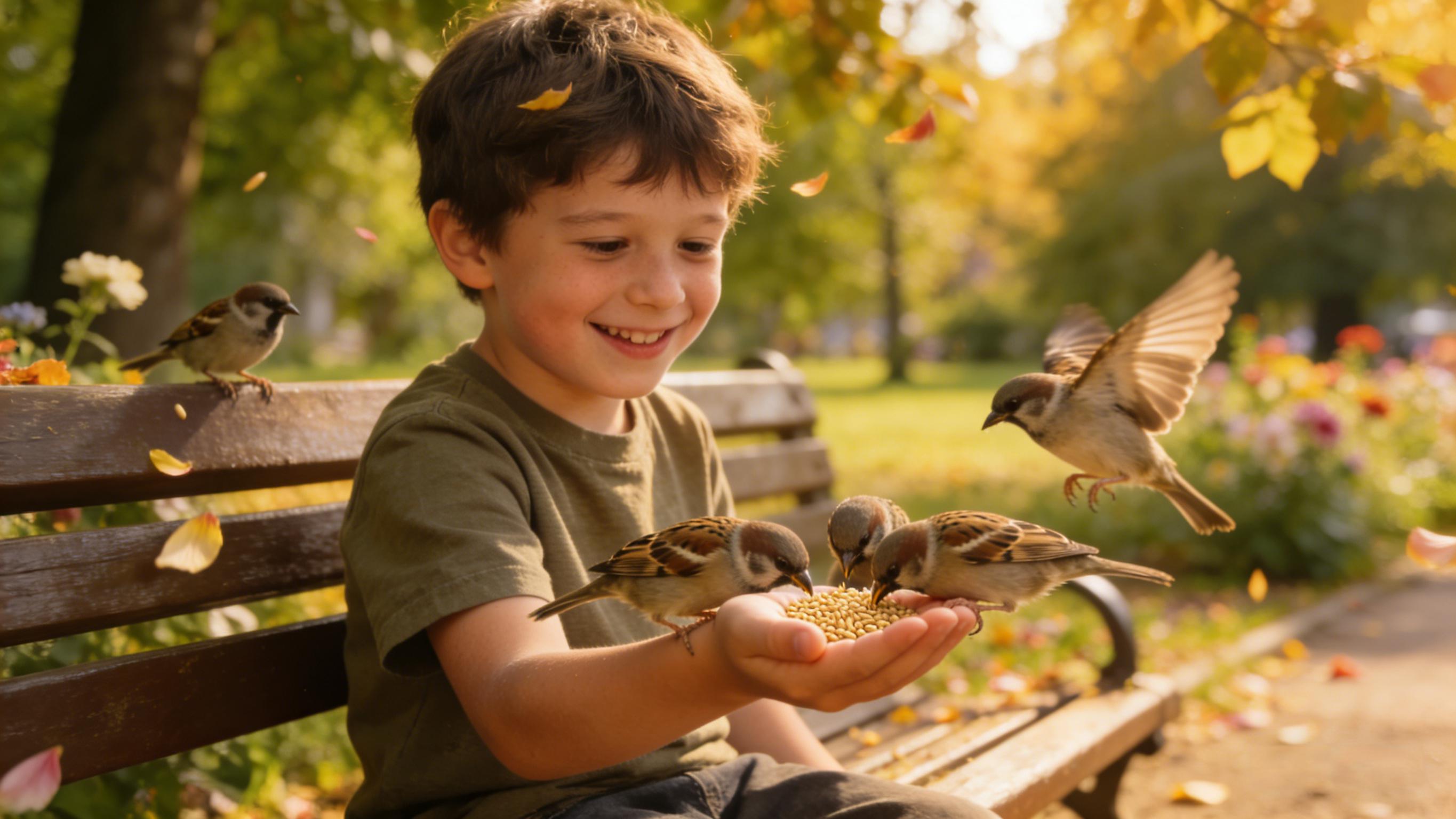
Then there’s the Black-capped Chickadee—small, fluffy, and so cute it makes my heart ache (in the best way). Black cap, black throat, white cheeks, gray wings—like a tiny, round tuxedoed fluff ball. Their call is “chick-a-dee-dee-dee,” and once you hear it, you’ll never forget it. Here’s a little pro tip I learned during my PhD research (yes, I spent months studying these guys)—the number of “dee”s tells you how dangerous things are. If it’s just “chick-a-dee,” they’re chill. If it’s “chick-a-dee-dee-dee-dee-dee”? Run—there’s a cat or a hawk nearby. I once sat in the park for 45 minutes, holding my telephoto lens, just waiting for one to land on the branch I wanted. Ollie got bored and started chasing squirrels, but I stayed. And when that little chickadee finally landed, holding a tiny insect in its beak? It was worth every second. 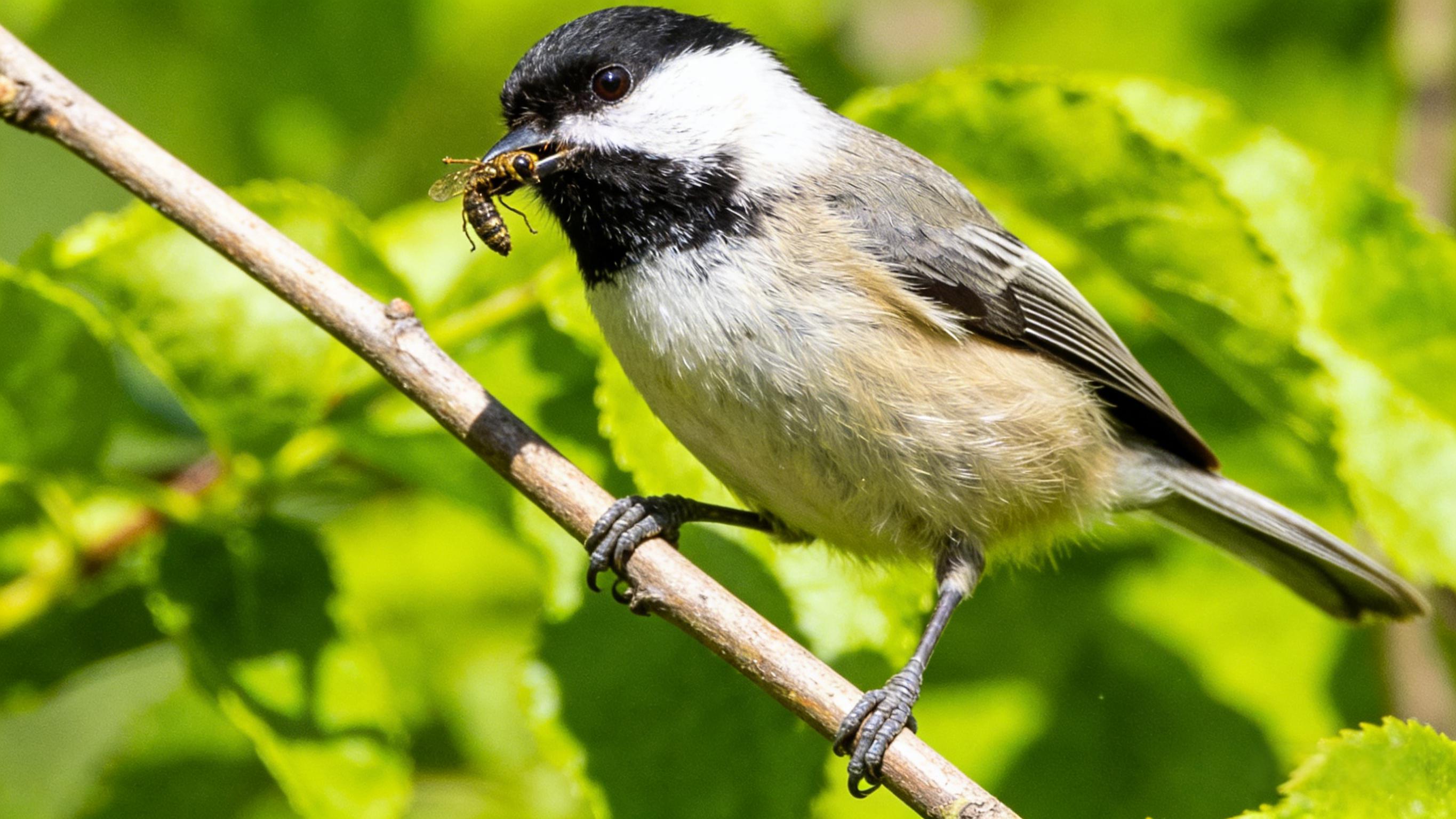
Now, I could go on forever—about the Song Sparrow with its melody that sounds like a lullaby, the Mourning Dove with that soft “coo-coo” that makes me want to sigh, the Downy Woodpecker that taps on trees like it’s playing a drum (I once thought it was a construction worker, no joke), the White-breasted Nuthatch that climbs upside down (it’s wild, you have to see it), the American Goldfinch that looks like a little yellow sun, the Northern Cardinal with its bright red feathers that pop against the snow, and the Gray Catbird that mimics everything—cars, other birds, even my phone’s ringtone once. All of ’em are here, in your park, hiding in plain sight. You just have to slow down long enough to see them.
For my fellow photography lovers—let me save you some frustration. Patience is everything. Don’t chase the birds; let them come to you. Early morning or late afternoon is best—light’s soft, not harsh, so your photos won’t be washed out. And invest in a good telephoto lens—trust me, you don’t want to get too close and scare them away (I learned that the hard way, too). For parents? This isn’t just “bird watching.” It’s teaching your kid to slow down, to notice the little things, to care about something smaller than themselves. That’s a gift, I promise.
And to my friends going through cancer treatment—listen to me. I’ve seen it firsthand. A patient of mine, Sarah, told me that during chemo, she’d drag herself to the park every afternoon, even when she could barely walk. She’d sit on a bench, close her eyes, and just listen to the birds. “They don’t care that I’m tired, or that my hair’s gone,” she said. “They just sing. And for a minute? I forget about the chemo, and the pain, and all of it. I just feel… alive.” That’s the magic of these little birds. They don’t judge. They don’t rush. They just exist, and in doing so, they give you a little piece of peace. It’s not a cure. It’s not a fix. But it’s something. And sometimes, something is enough.
You don’t have to become a bird expert overnight. You don’t even have to remember their names. Just… listen. Look. Notice that little bird hopping on the lawn, or singing from the tree. That’s a win. A tiny one, sure, but a win. Like I always say—“哪怕今天你只是听到了一声鸟鸣,心情好了一点点,那就是胜利。” (Sorry, old habit—translating my favorite phrase into Chinese, even when I’m writing in English.)
These “invisible residents” aren’t just birds. They’re your neighbors. Your companions. They’re a reminder that even in the middle of a busy city, even in the middle of a hard time, there’s beauty. Next time you’re in the park, stop. Take a breath. Look up. Listen. I promise you—you’ll find something that makes your heart feel a little lighter. And right now? That’s all you need. Love ’em, cherish ’em, and let ’em heal you. One song at a time.